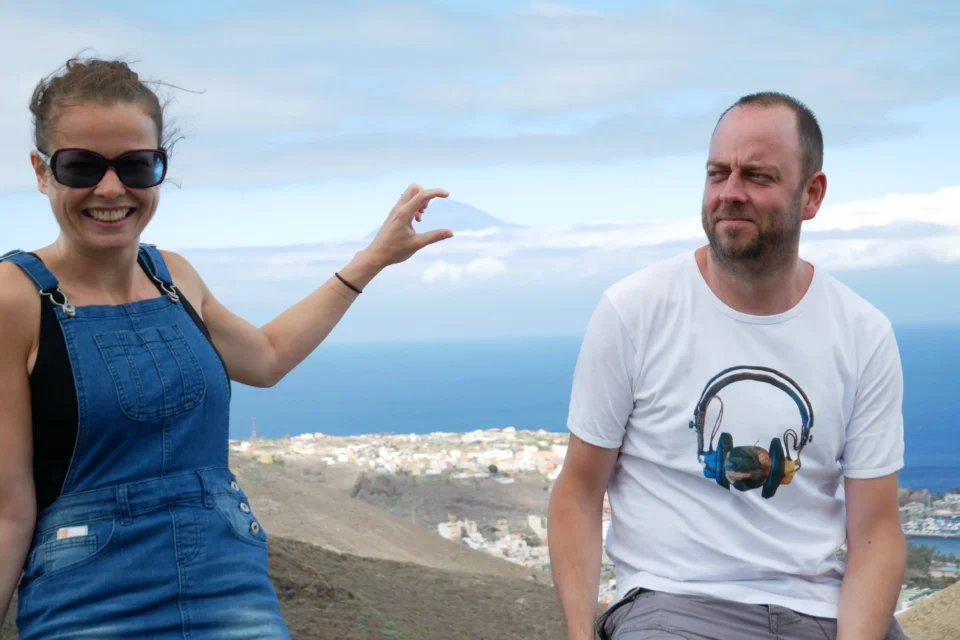
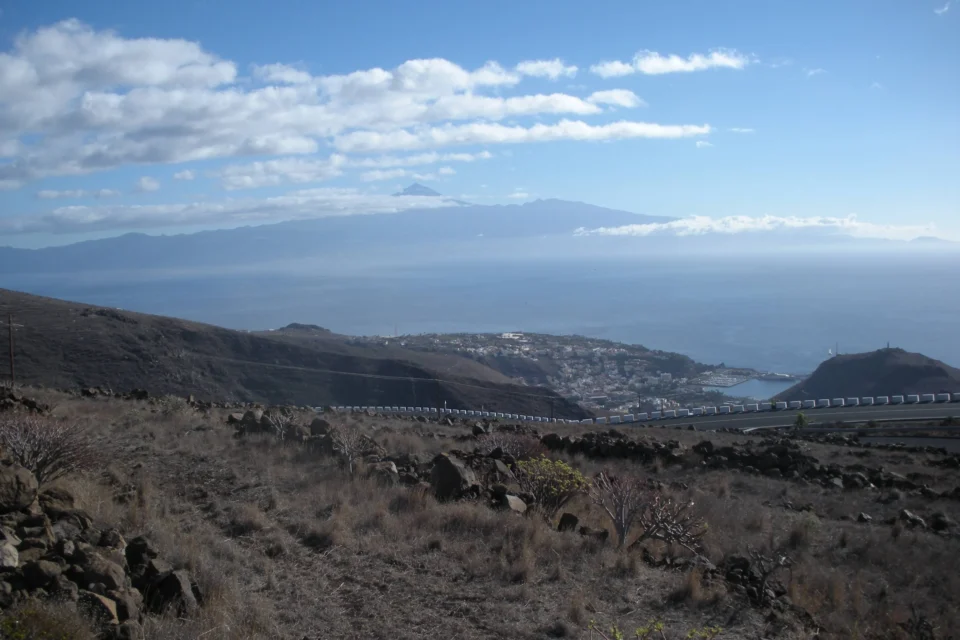
La Gomera, one of the Canary Islands in Spain, is a stunning and relatively unspoiled island known for its dramatic landscapes, rich history, and unique culture. It’s the second smallest of the main islands in the archipelago and is often referred to as “Isla Colombina” due to its association with Christopher Columbus, who stopped there on his way to the New World in 1492.
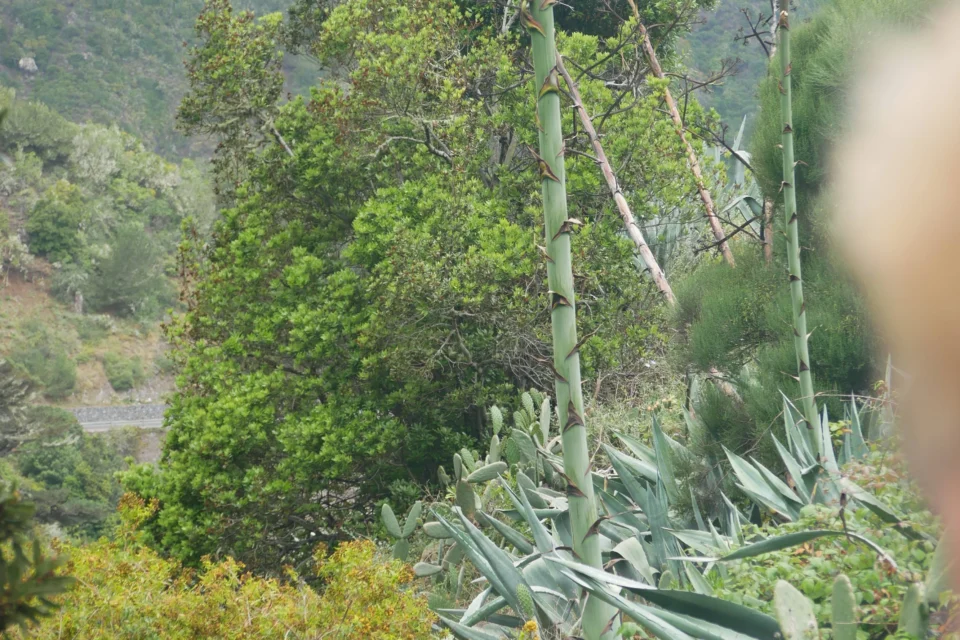
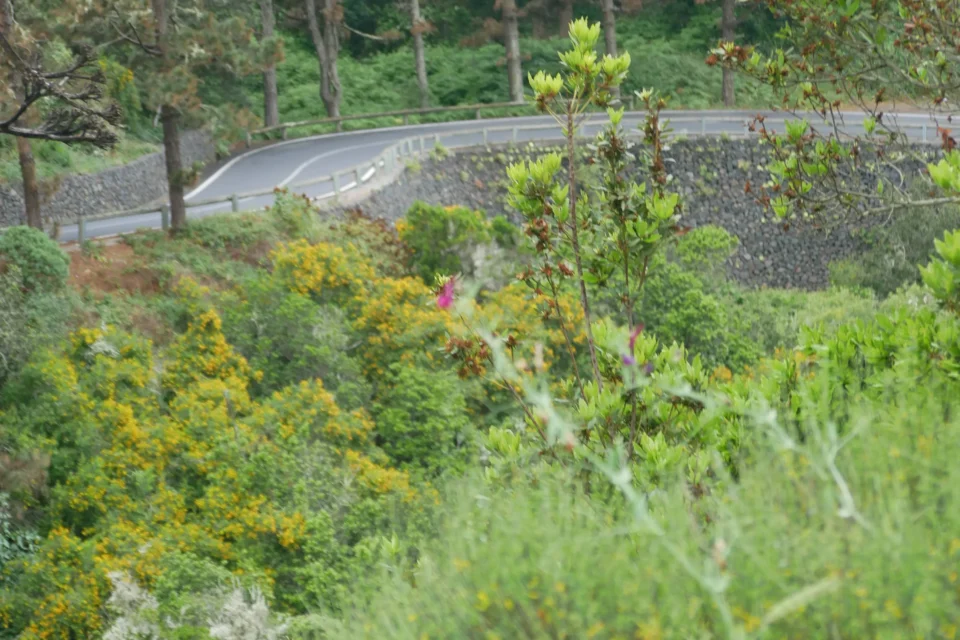
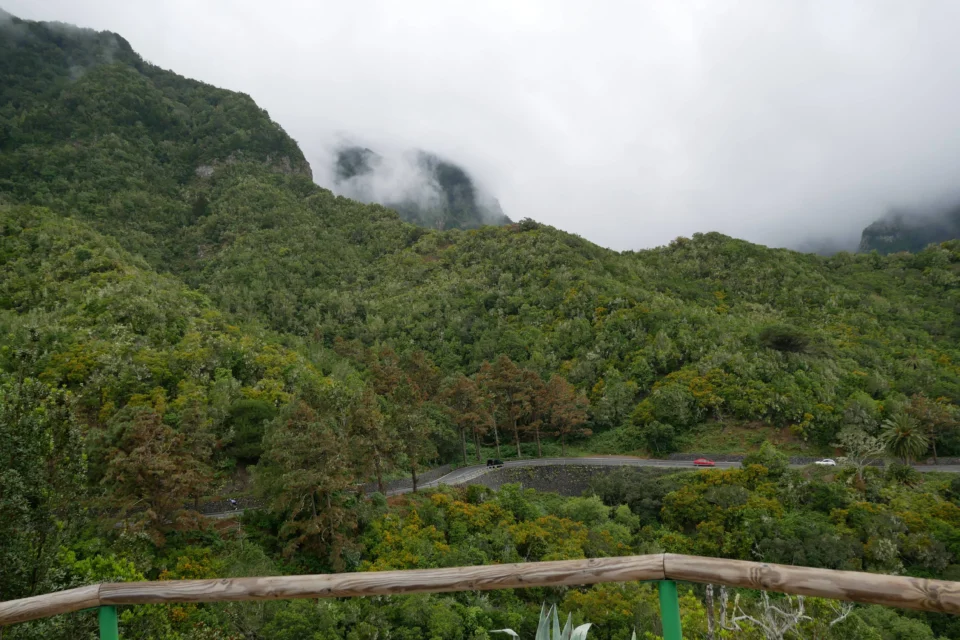
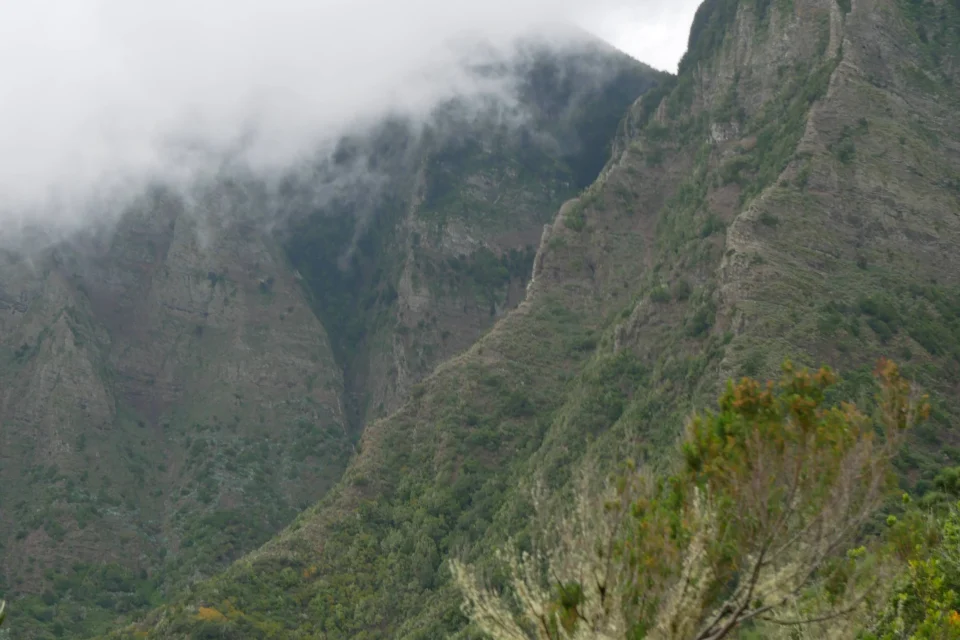
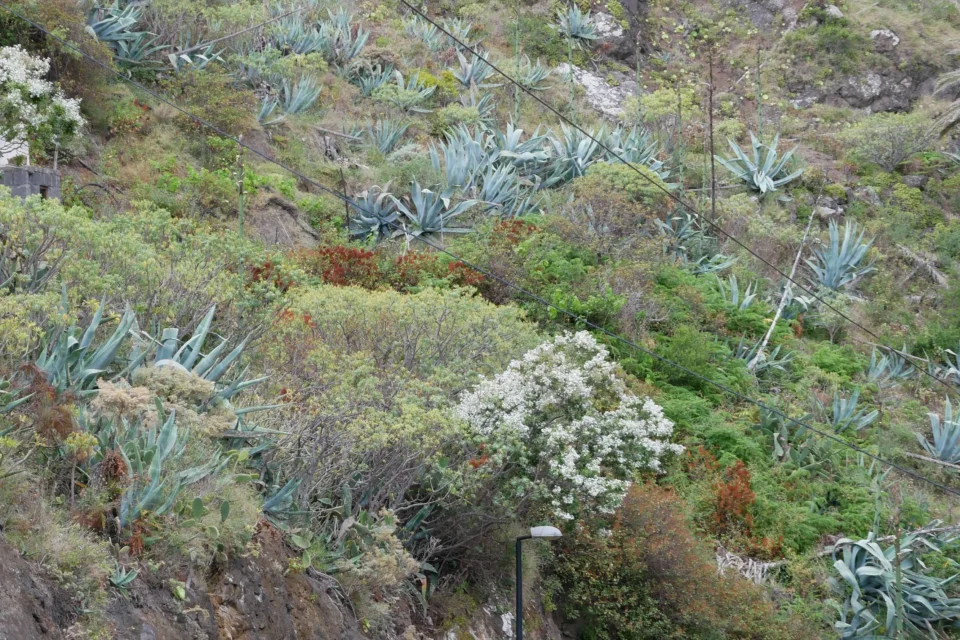
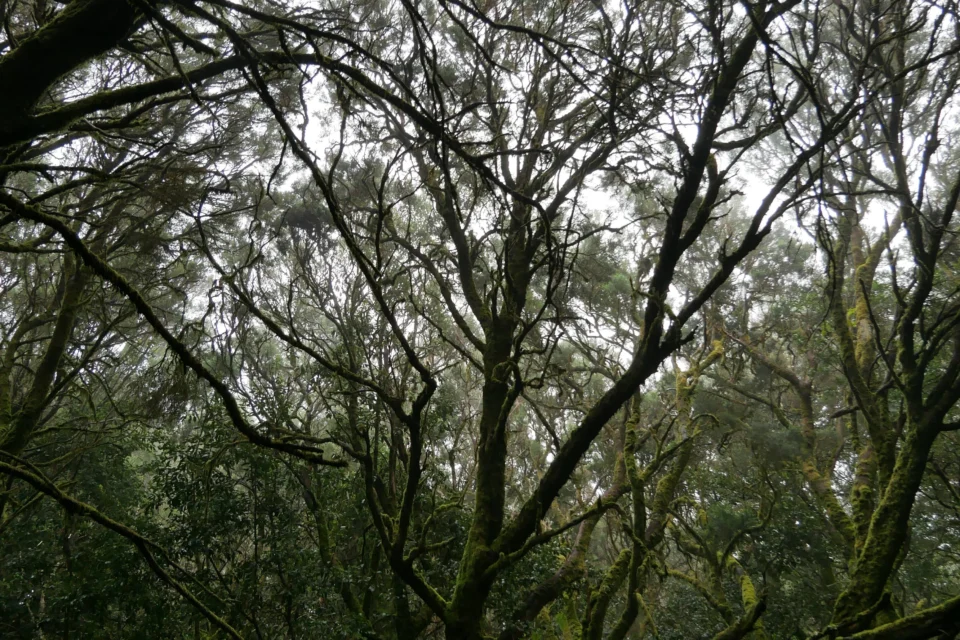
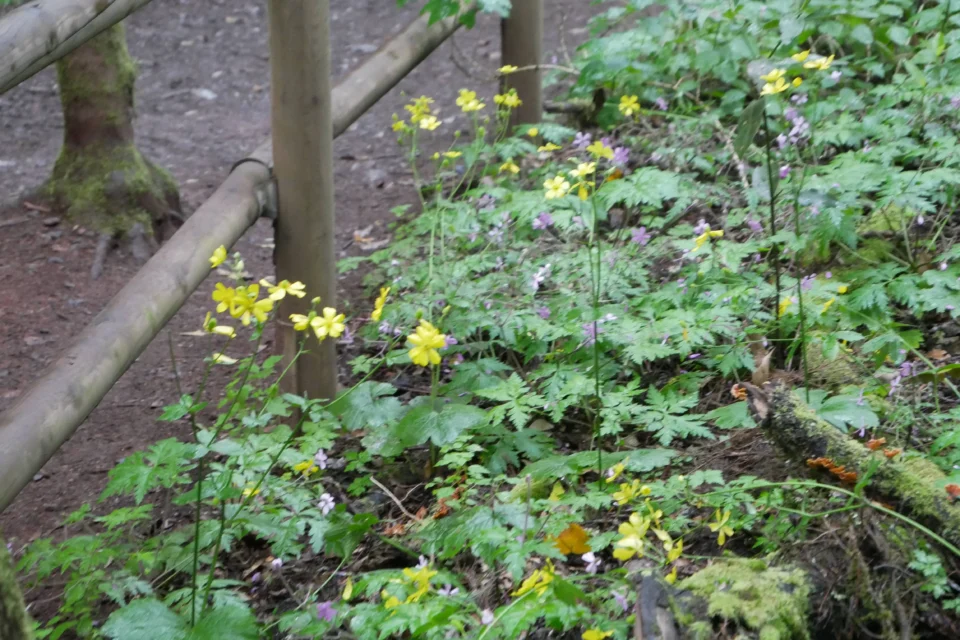
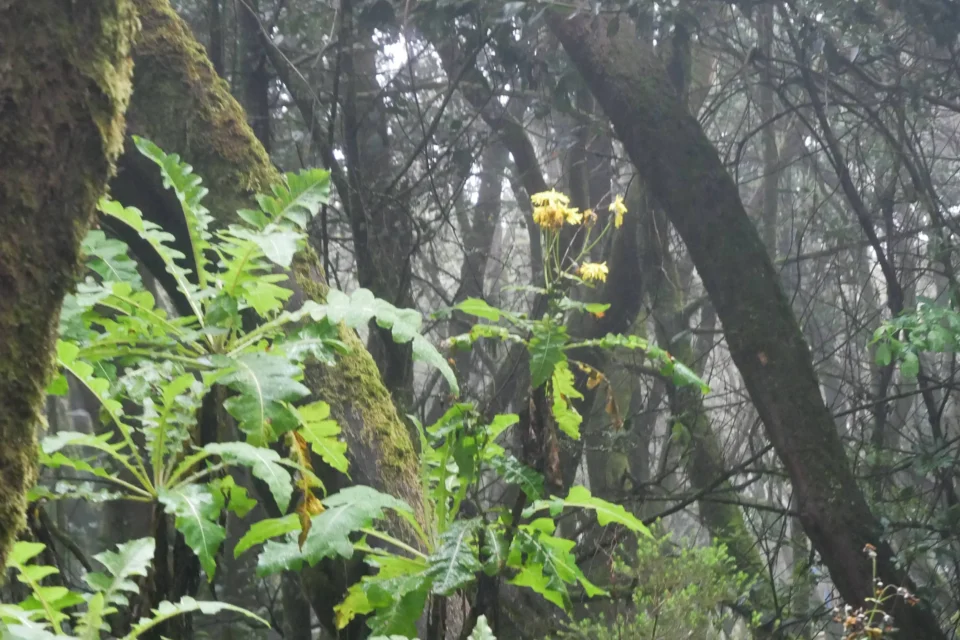
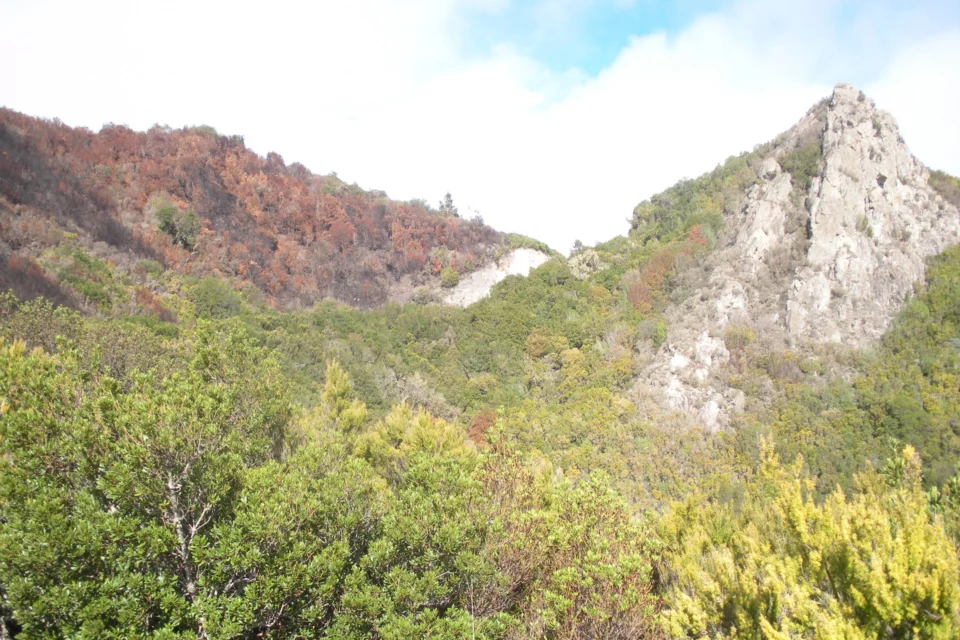
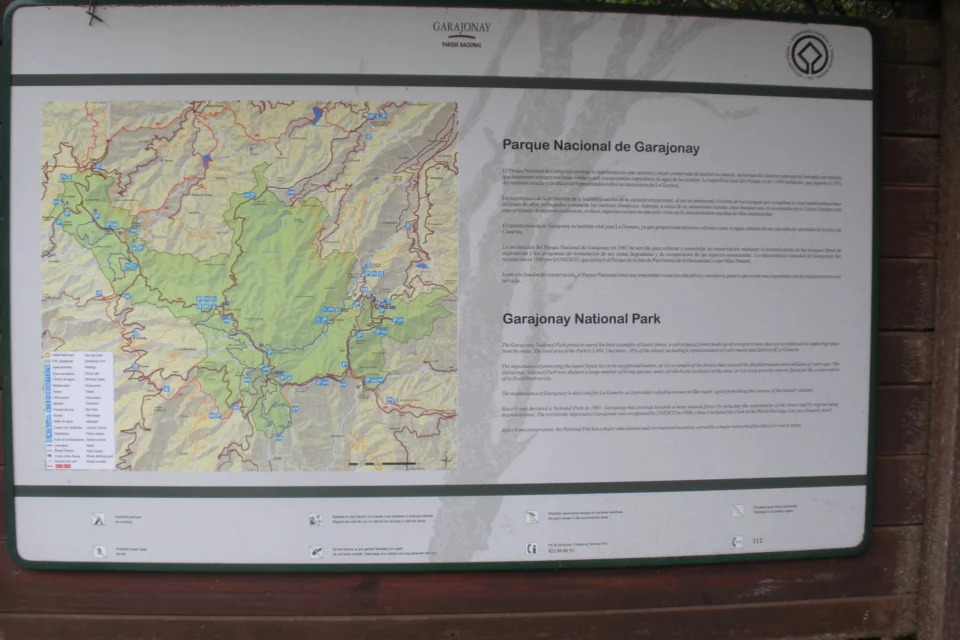
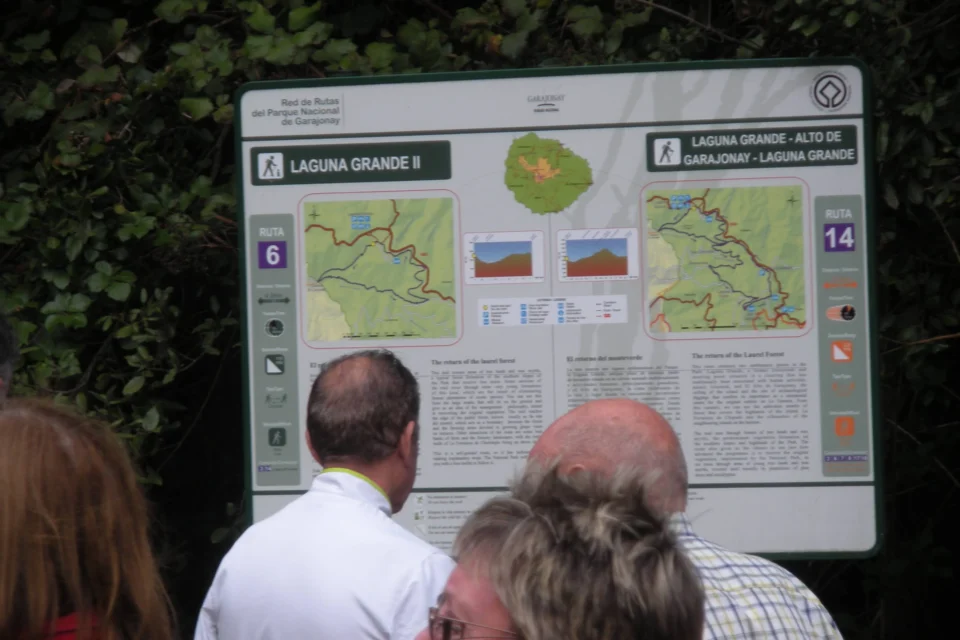
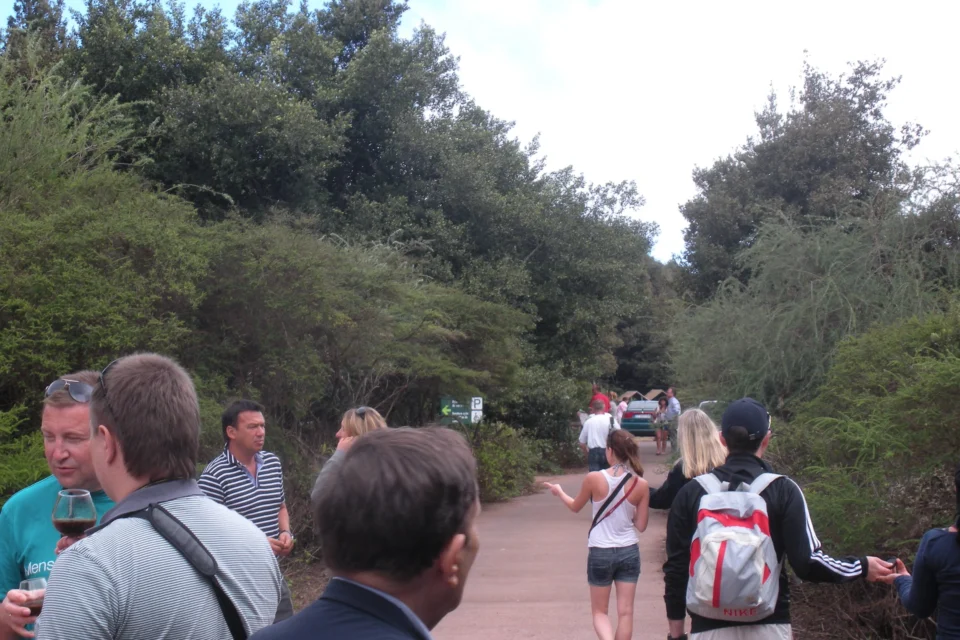
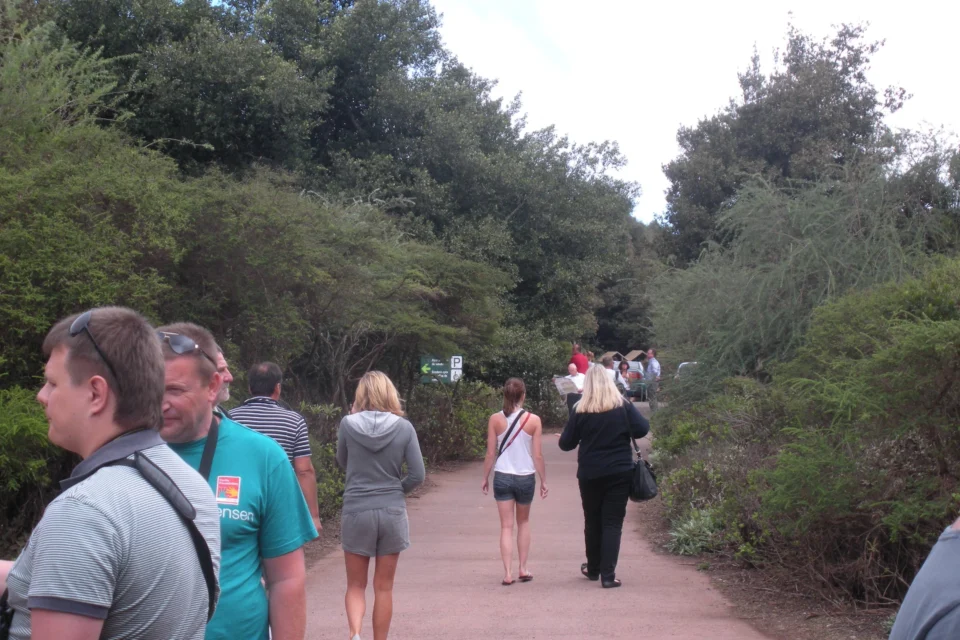
The island is famous for its lush greenery and diverse ecosystems, which are protected within Garajonay National Park, a UNESCO World Heritage Site. This park is home to ancient laurel forests, which are remnants of the prehistoric subtropical forests that once covered much of Southern Europe, also seen in Madeira as the Laura Silva.
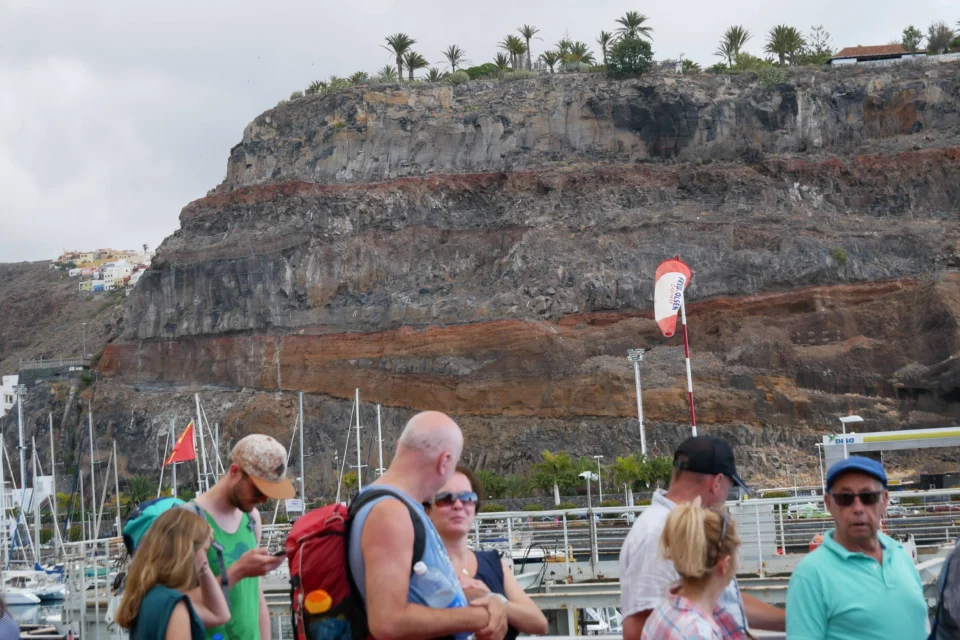
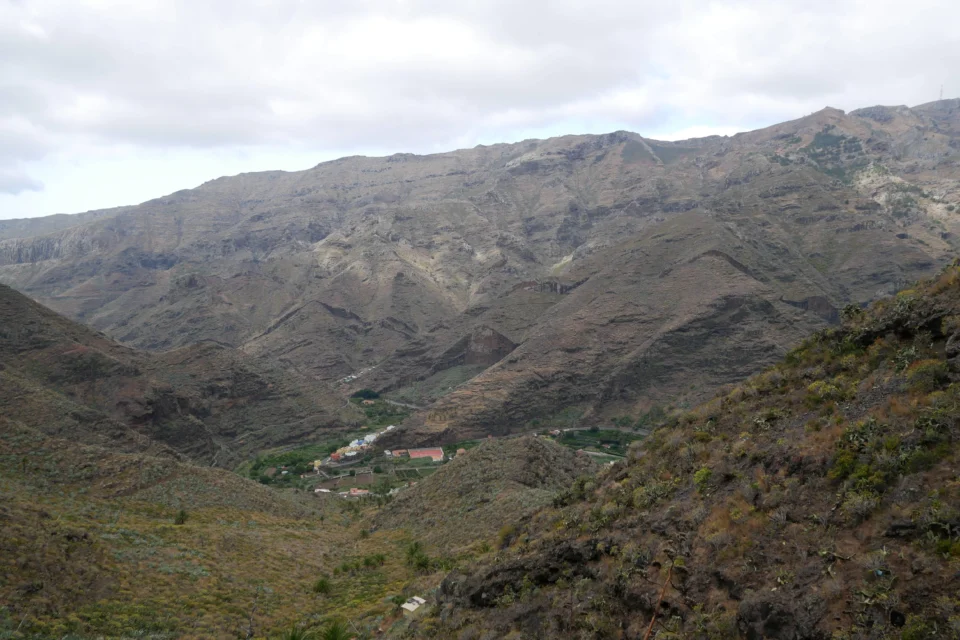
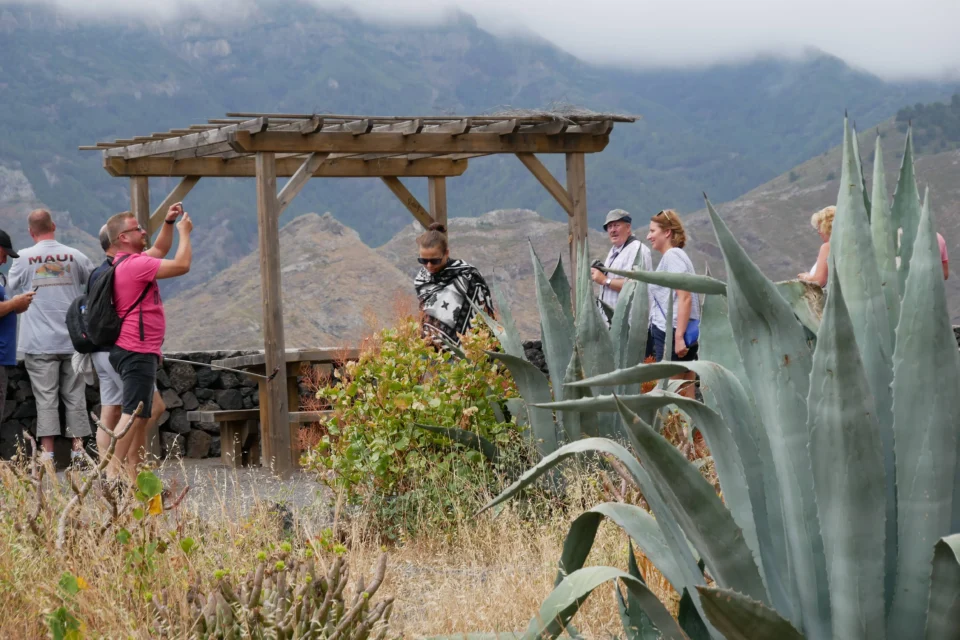
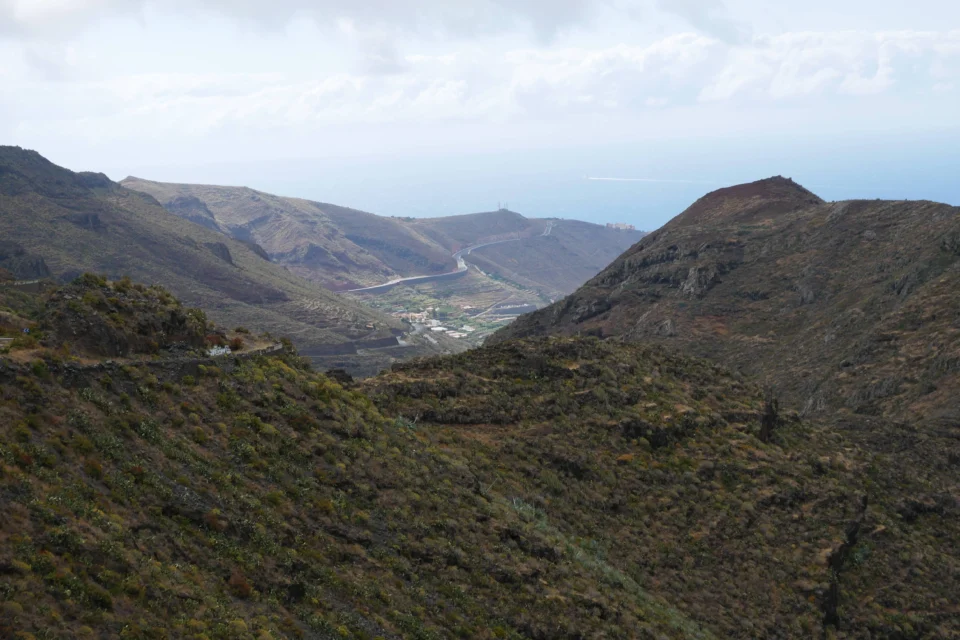
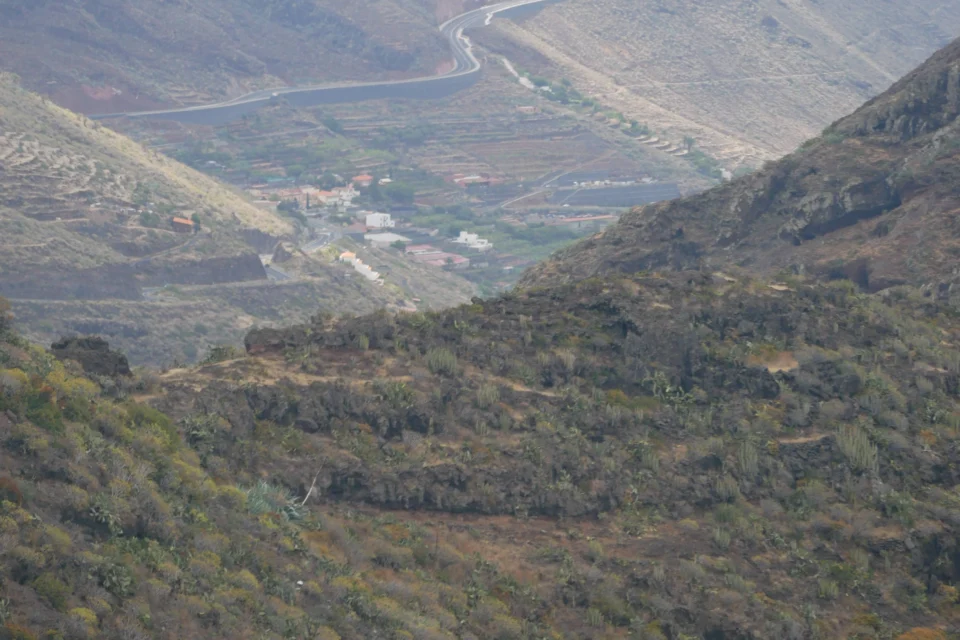
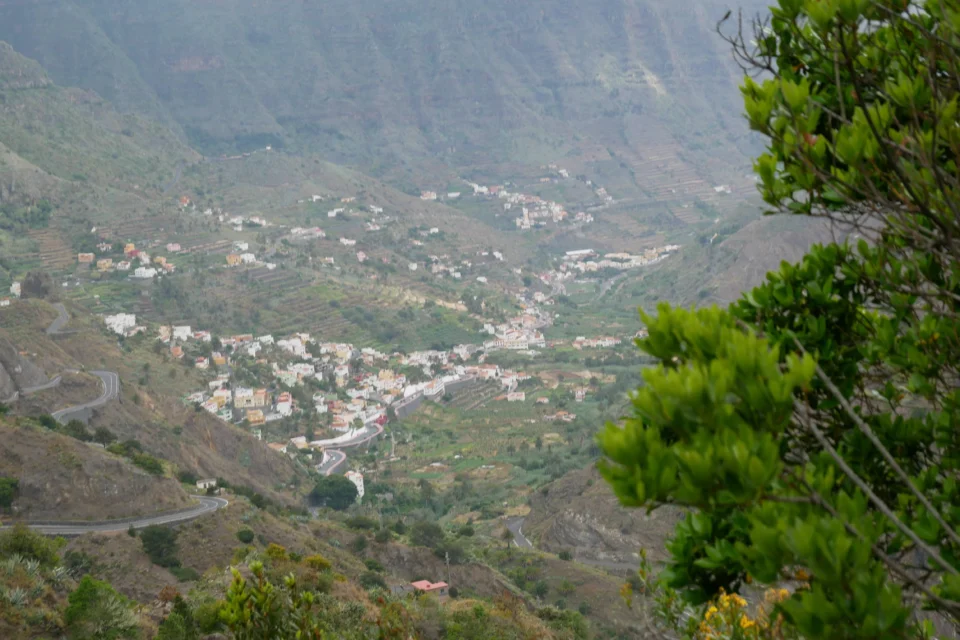
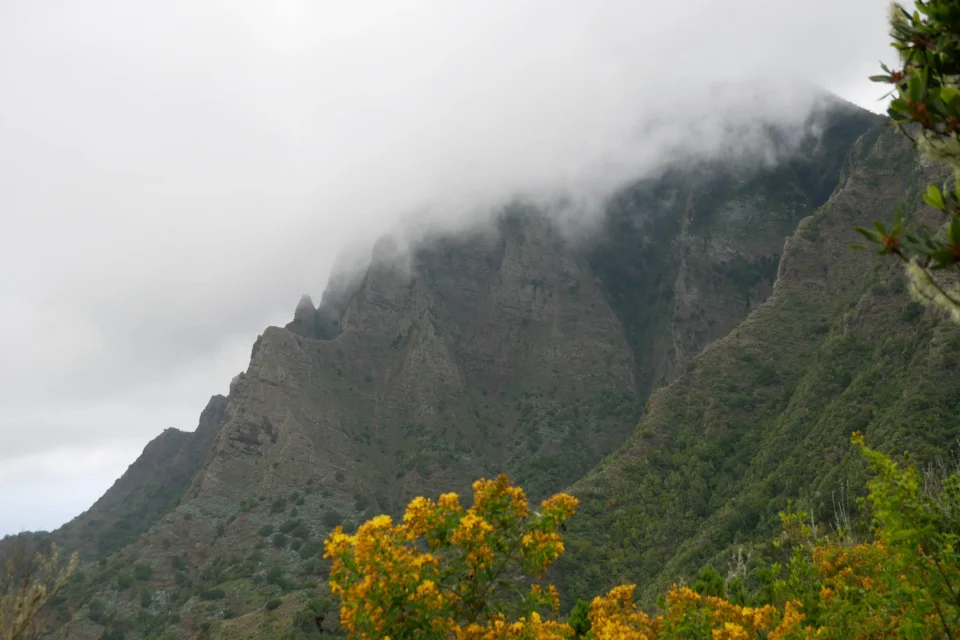
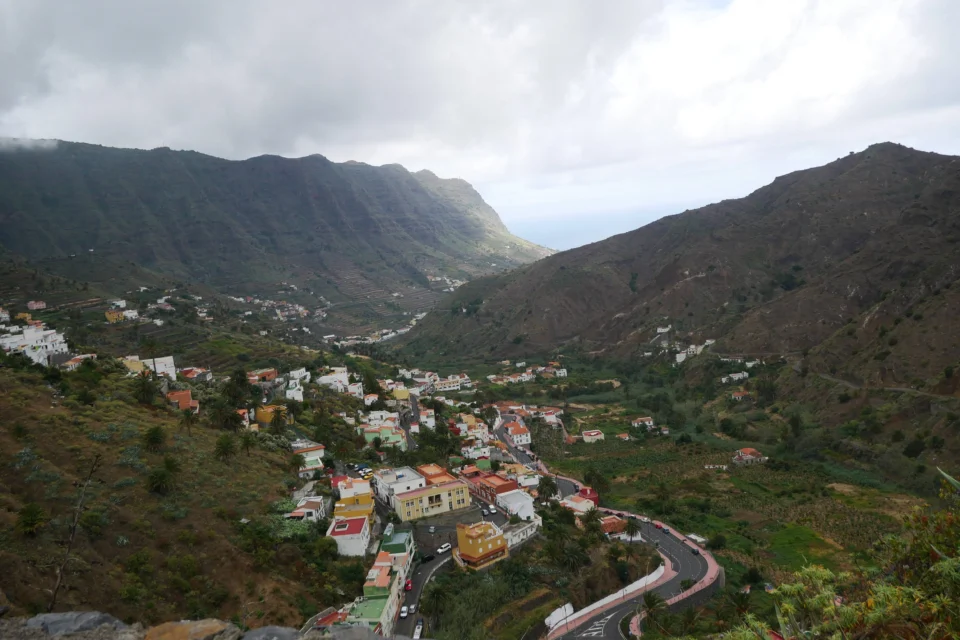
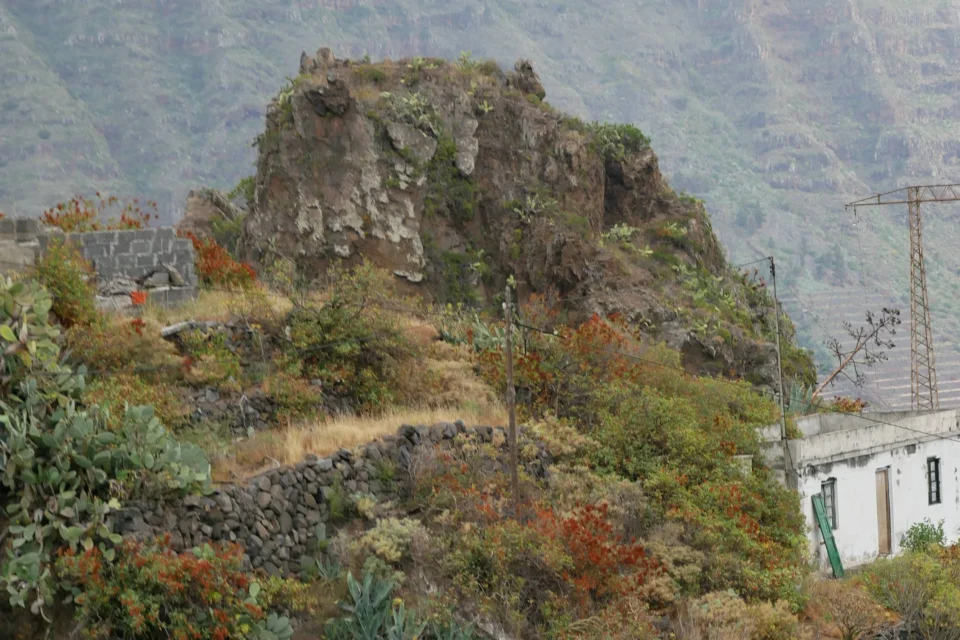
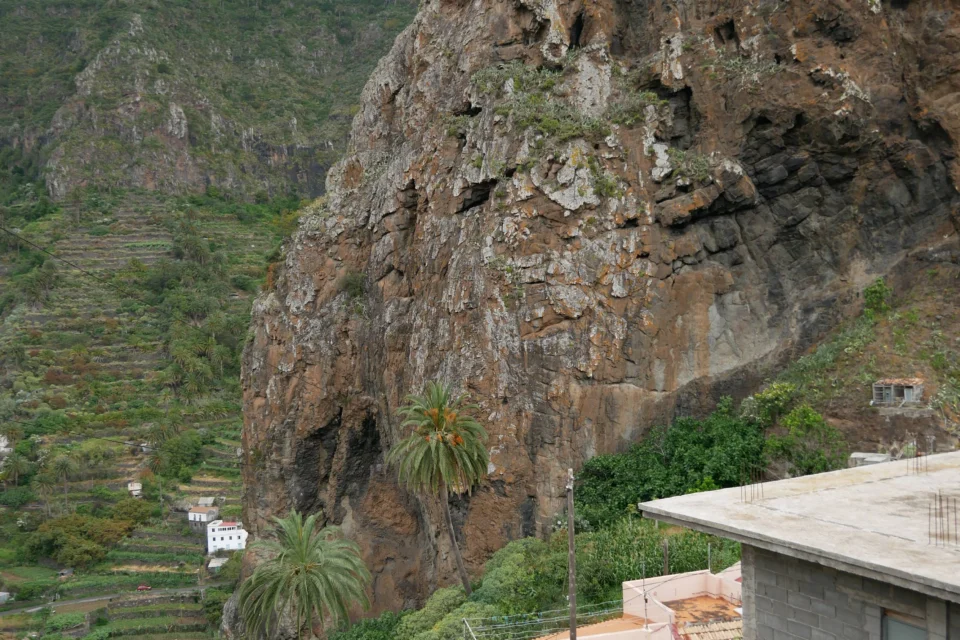
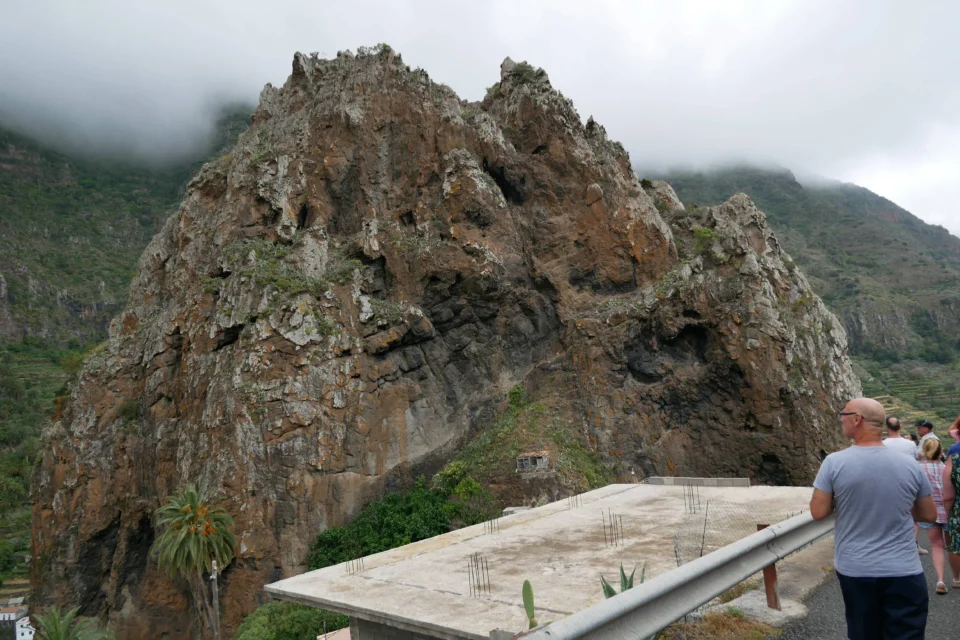
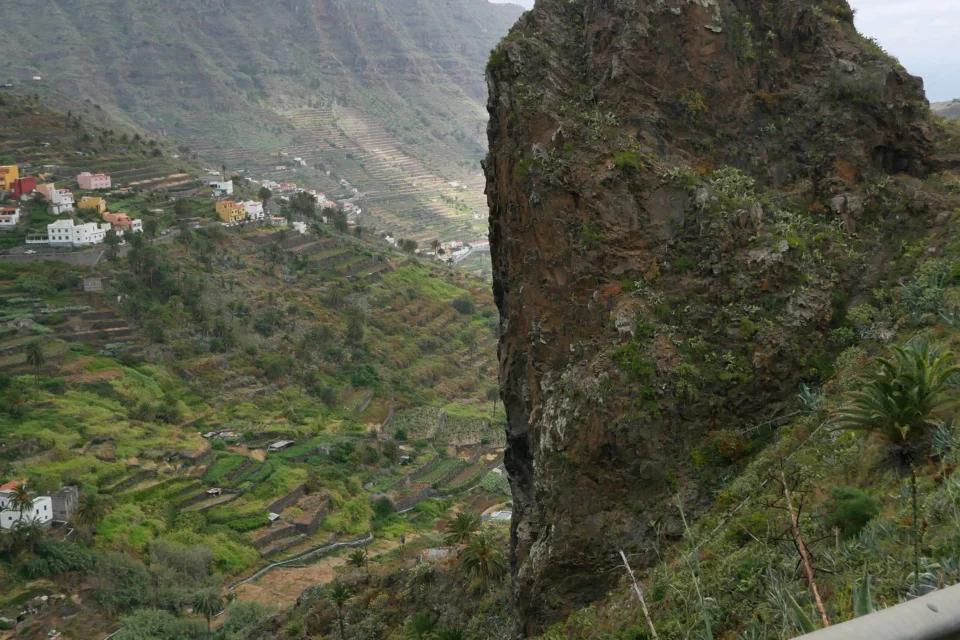
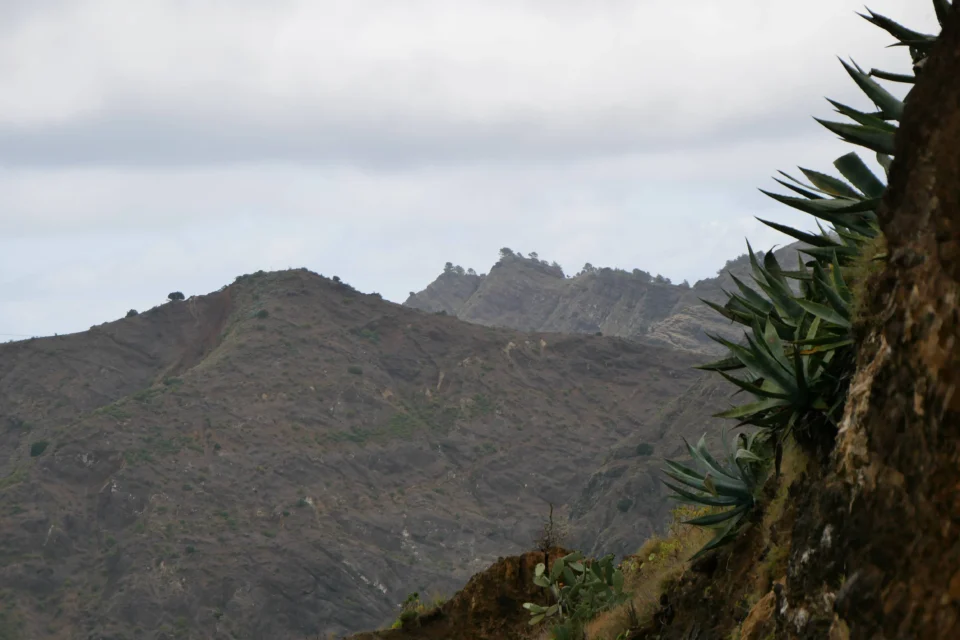
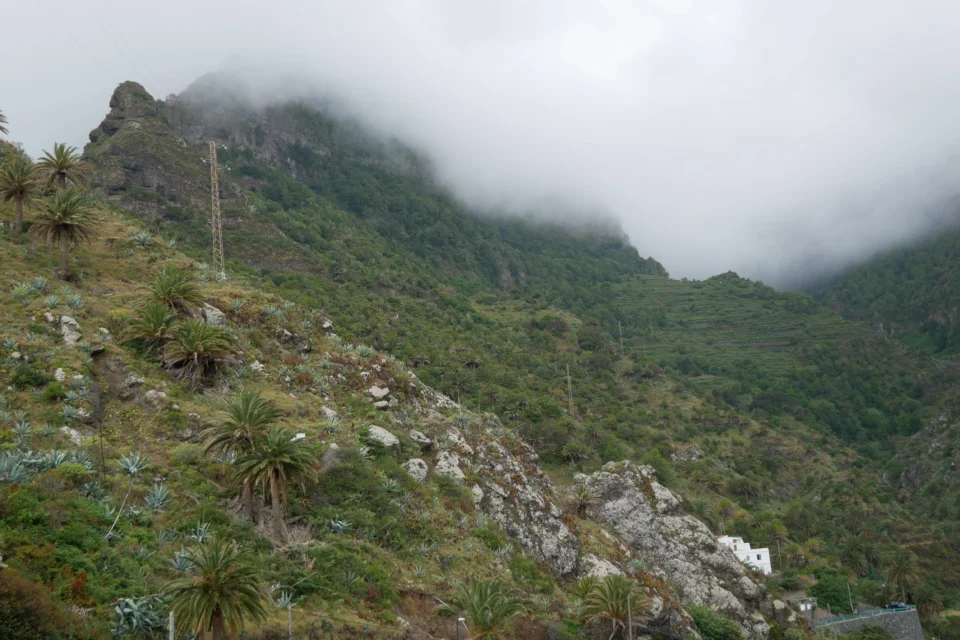
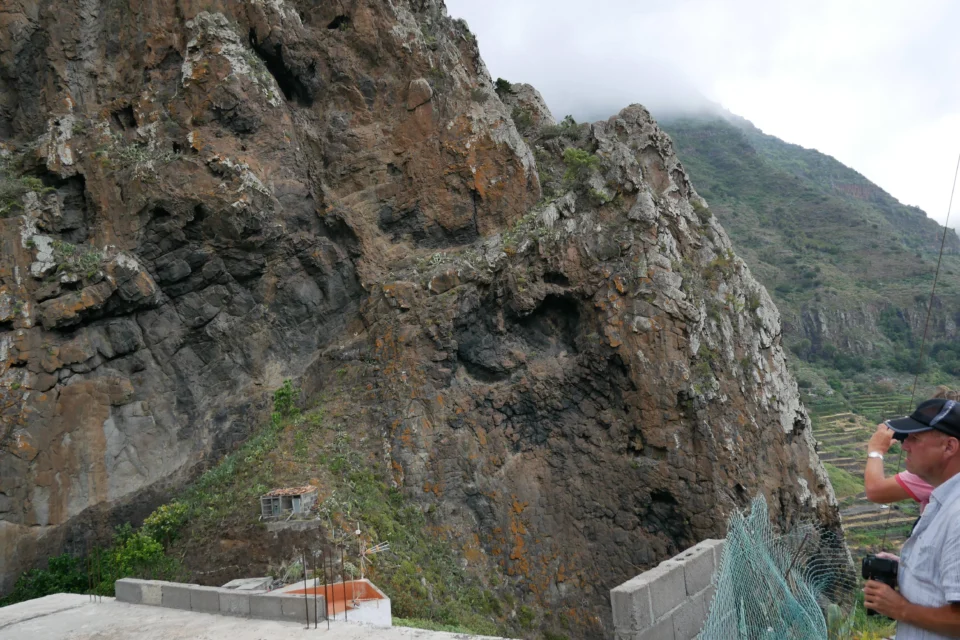
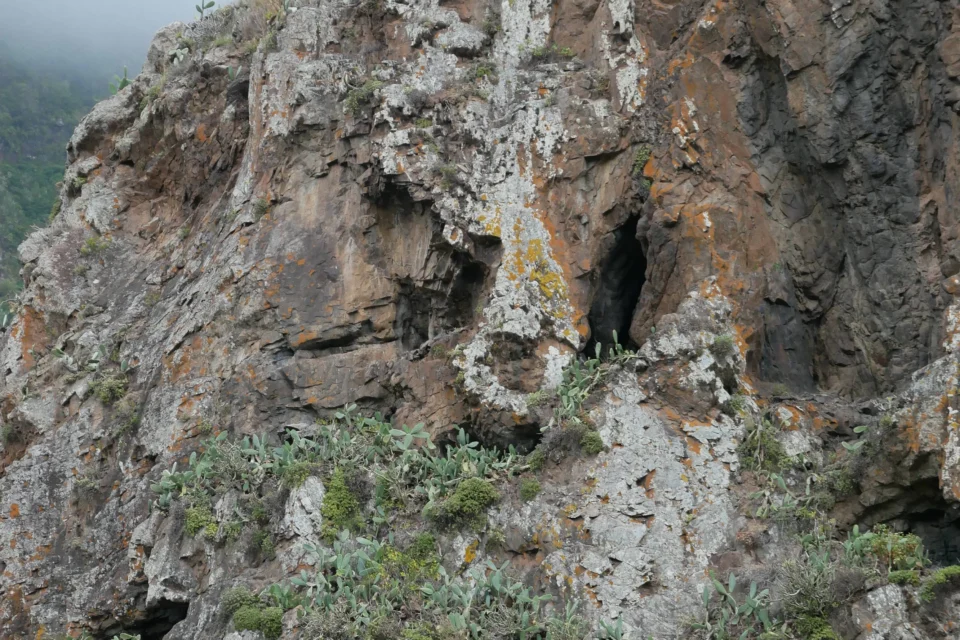
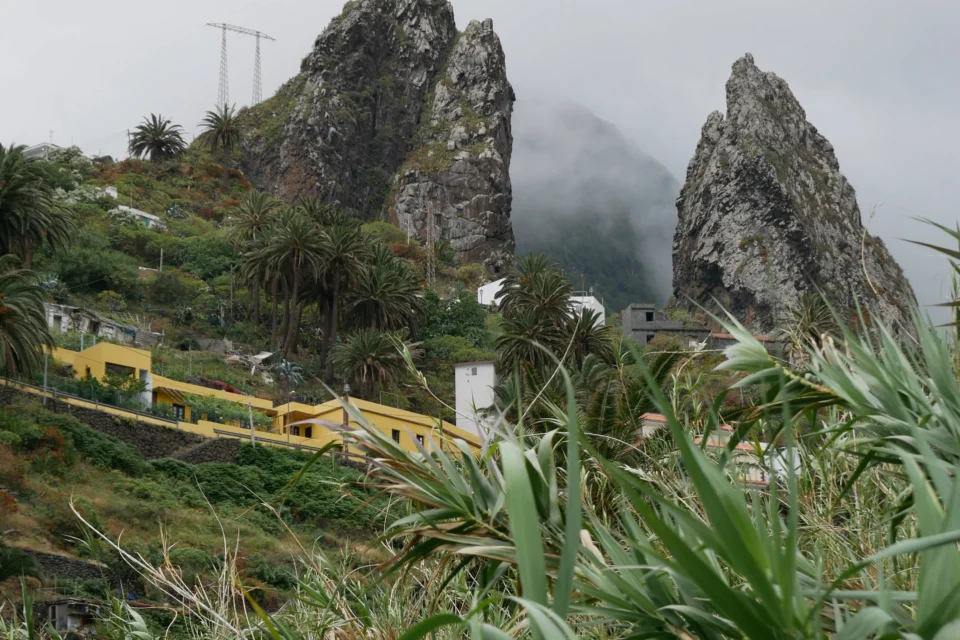
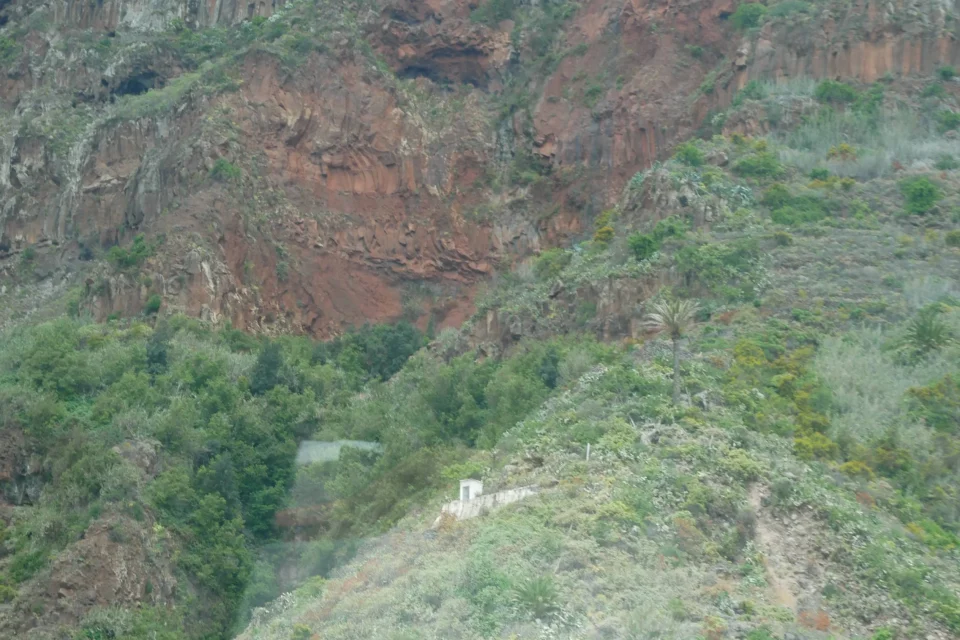
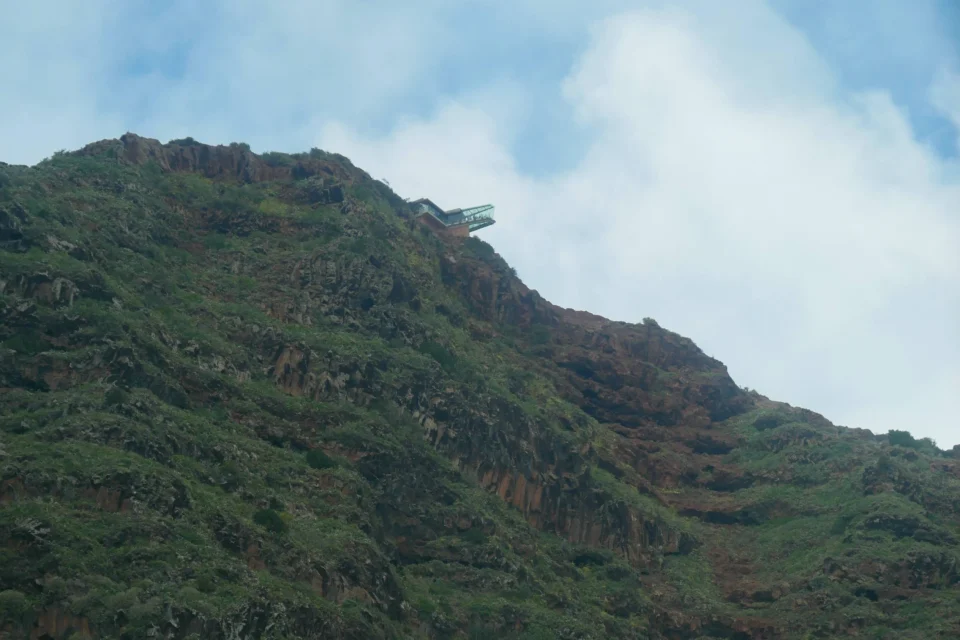
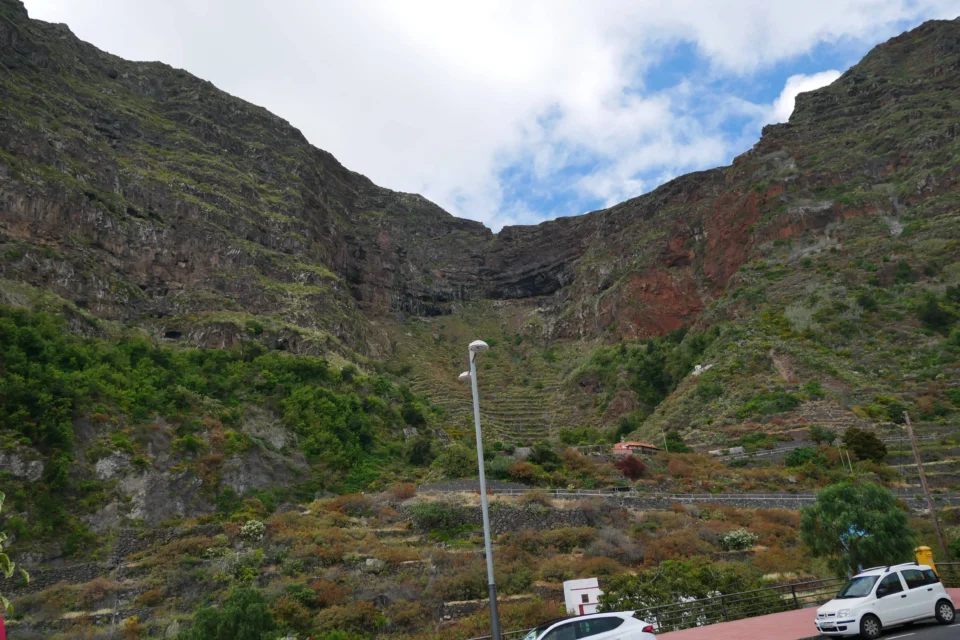
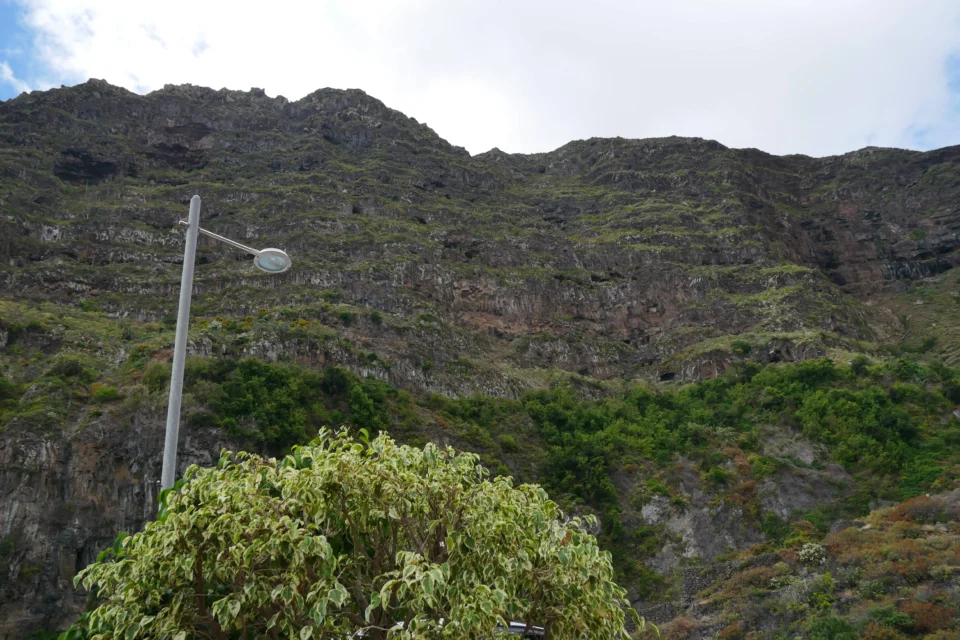
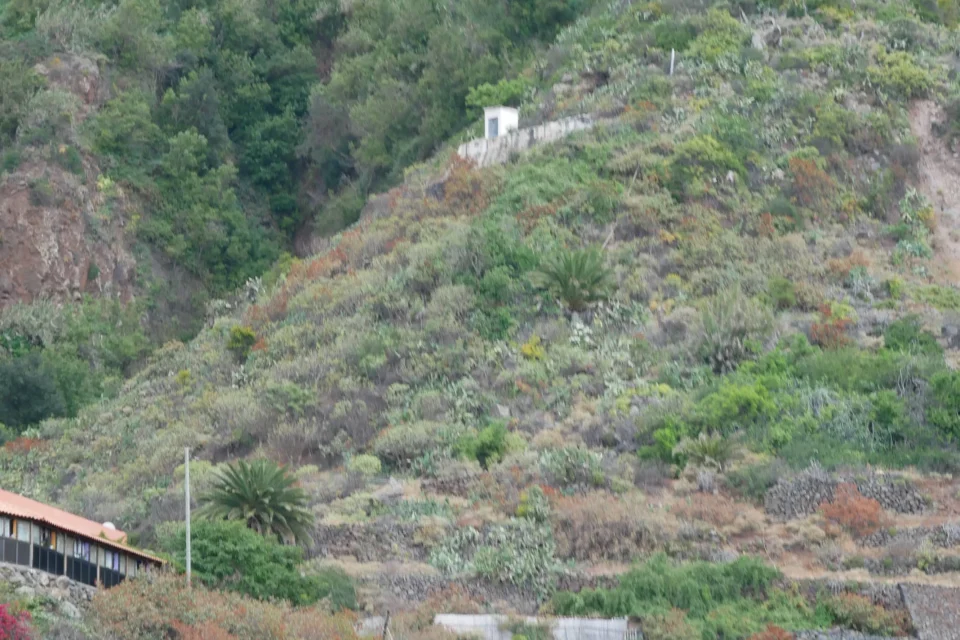
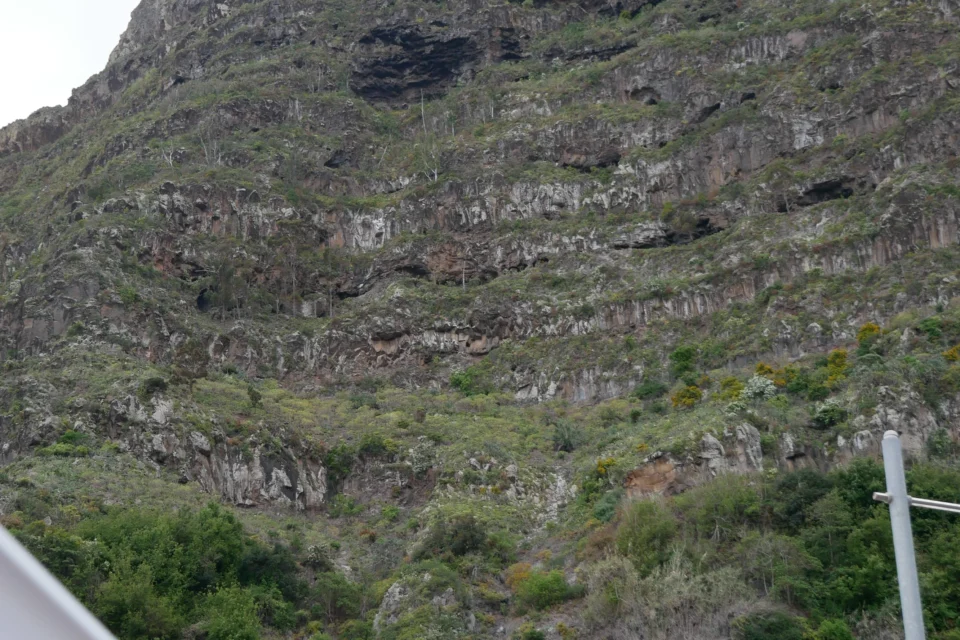
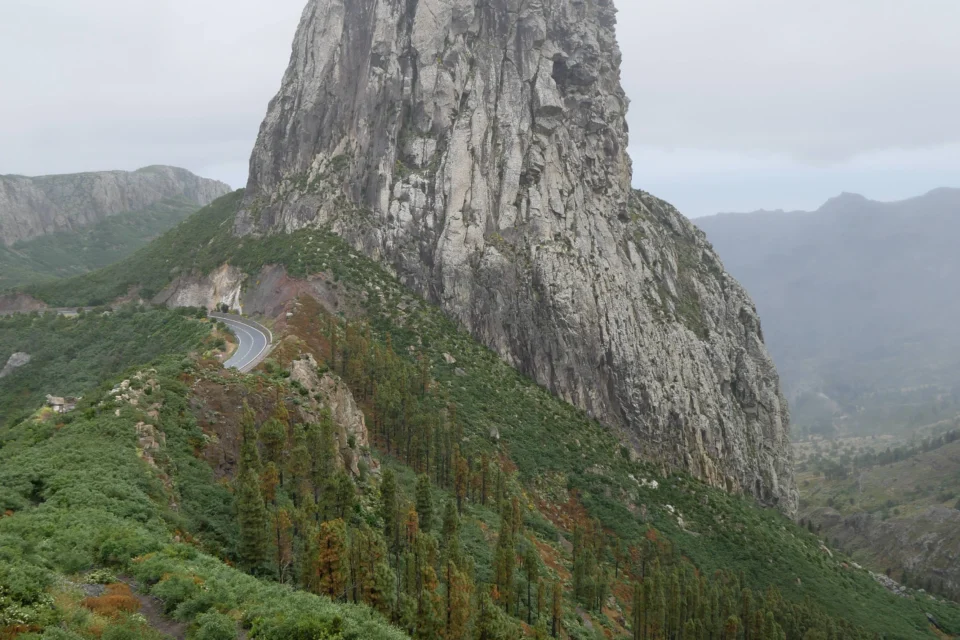
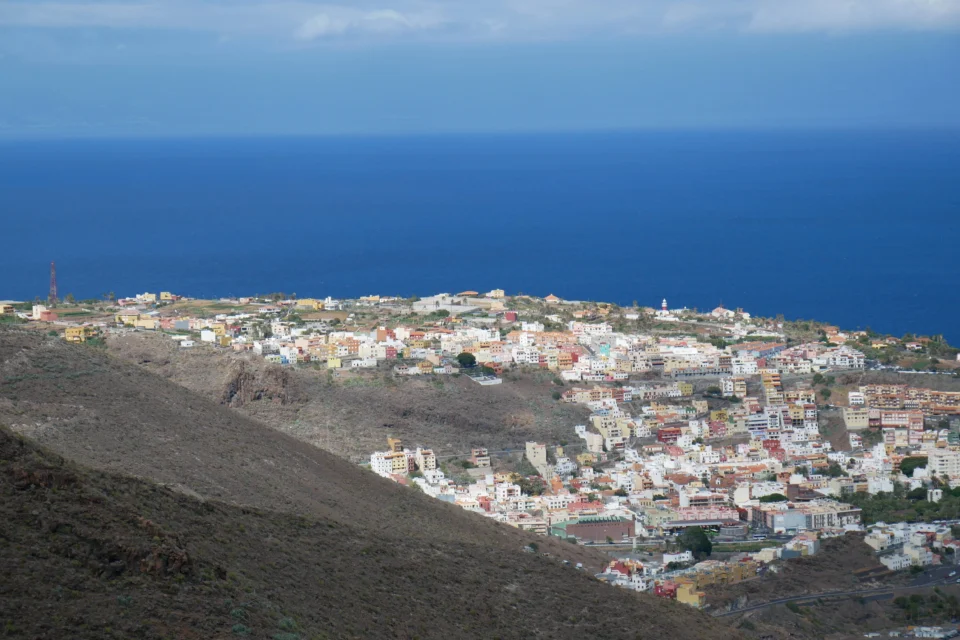
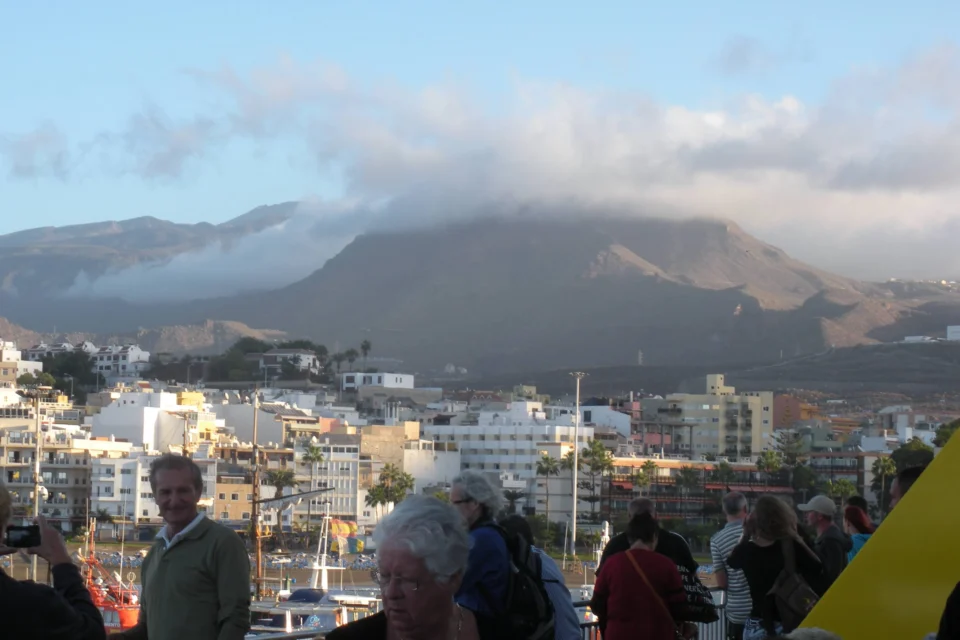
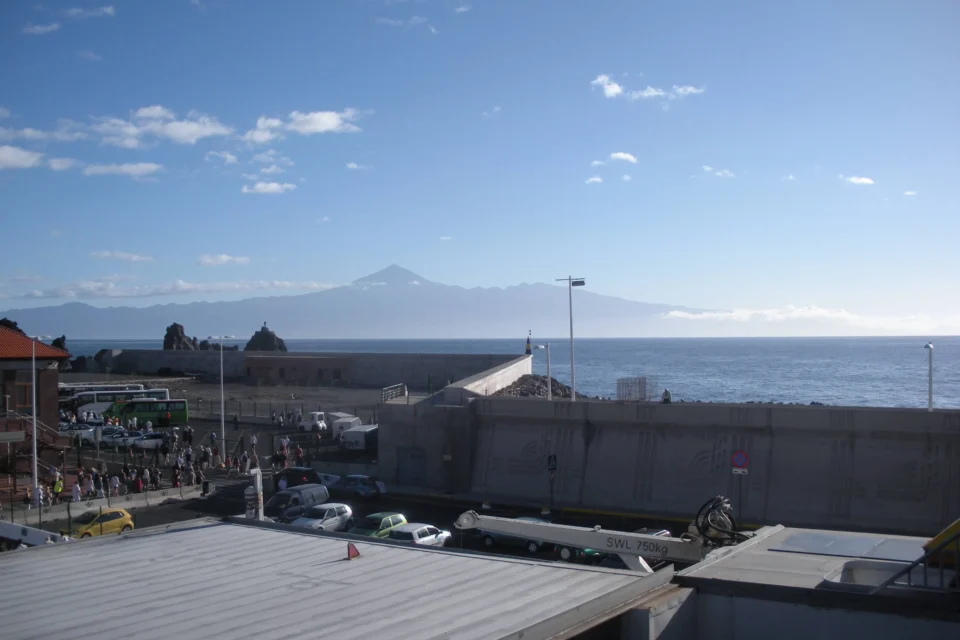
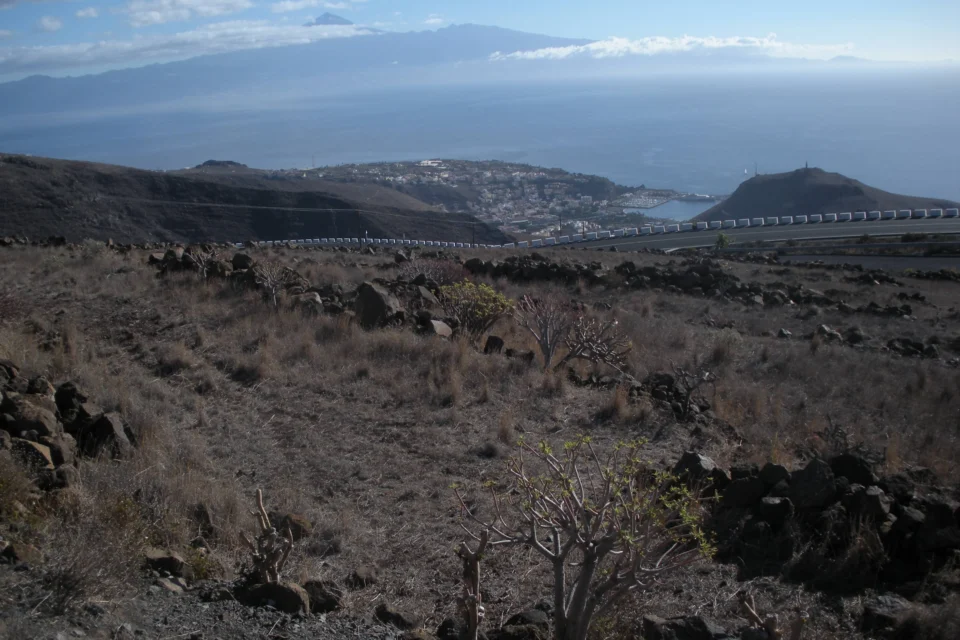
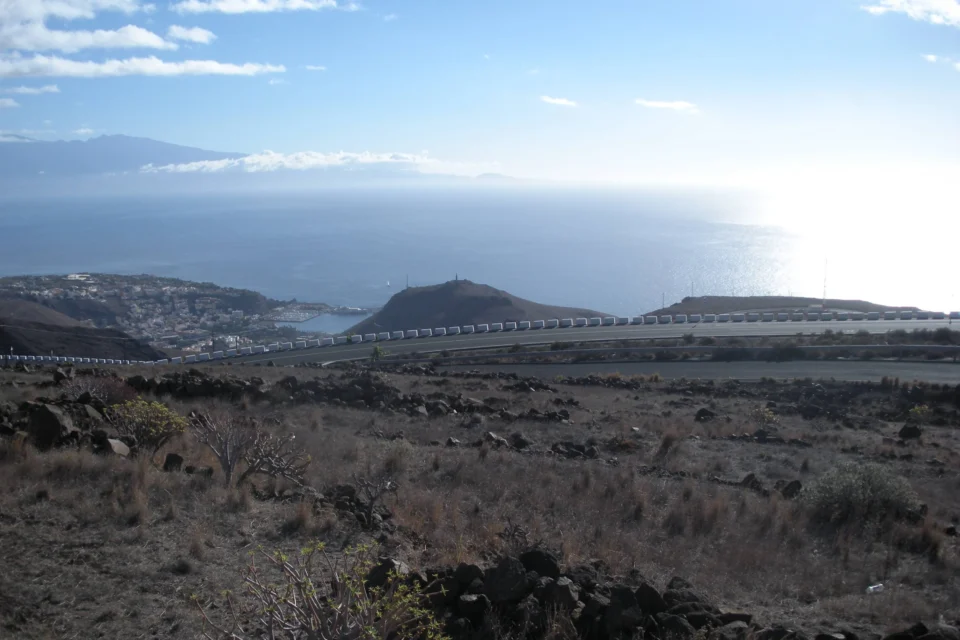
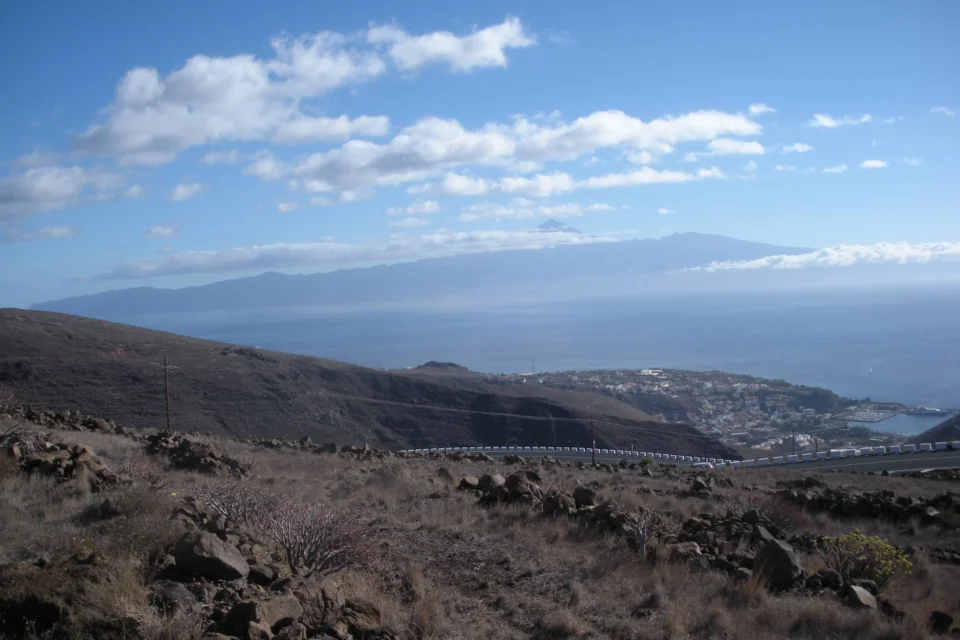
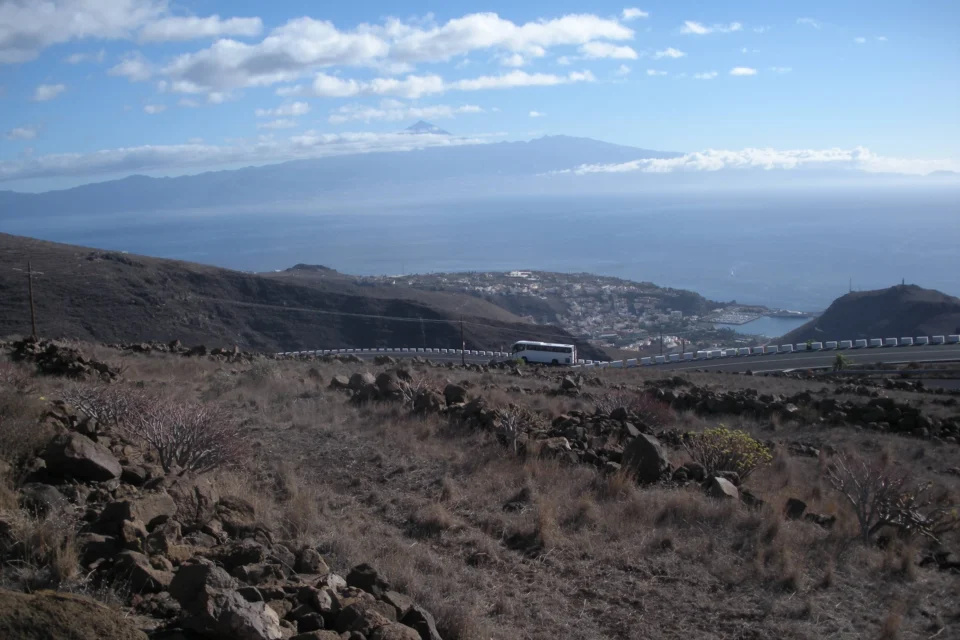
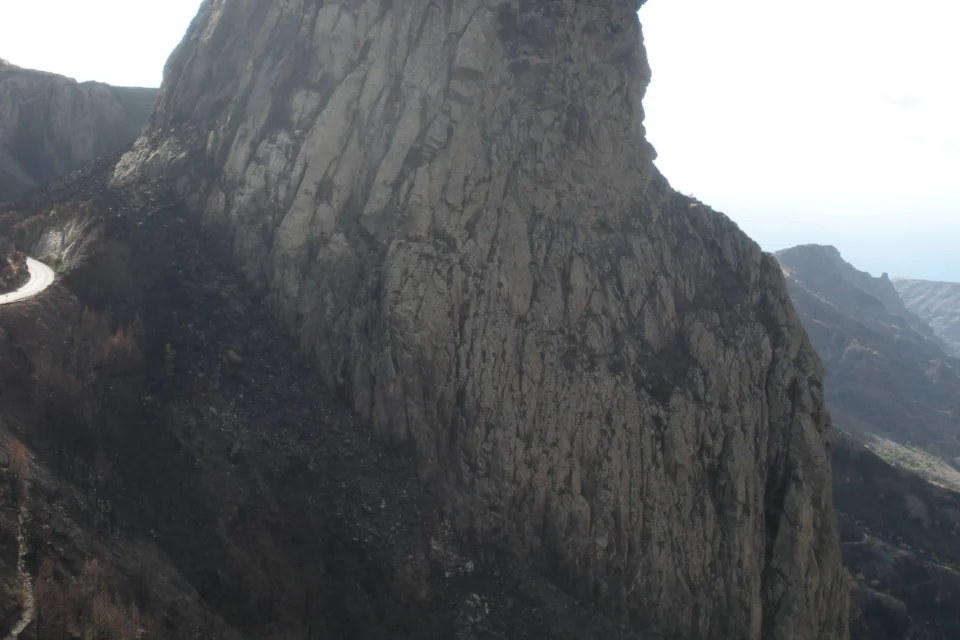
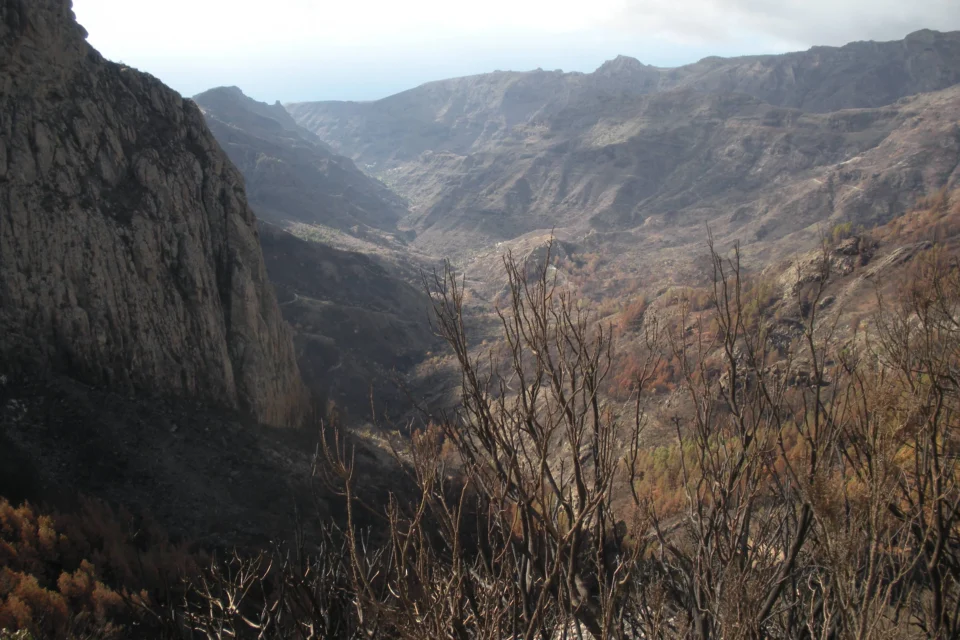
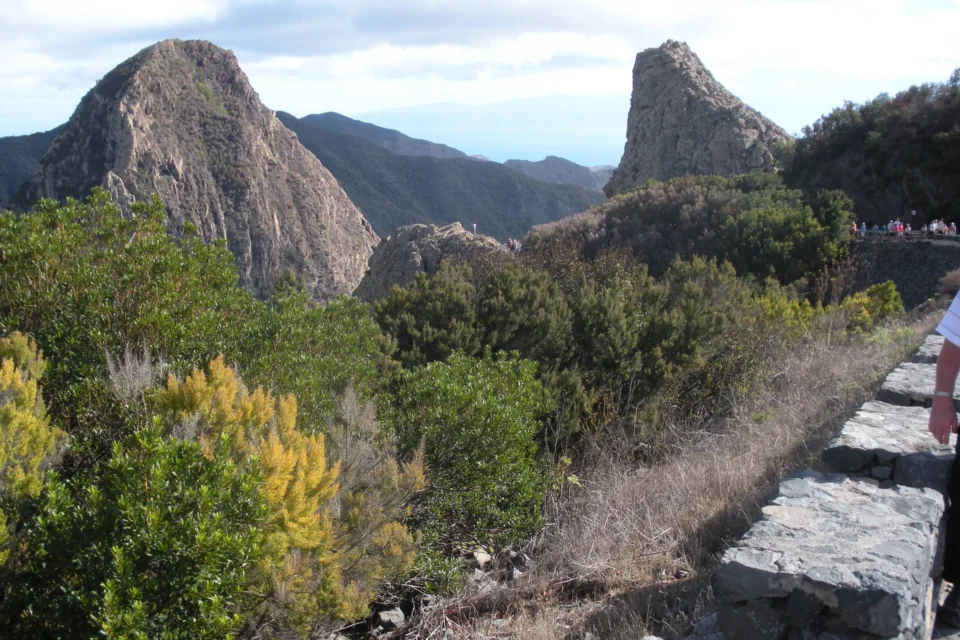
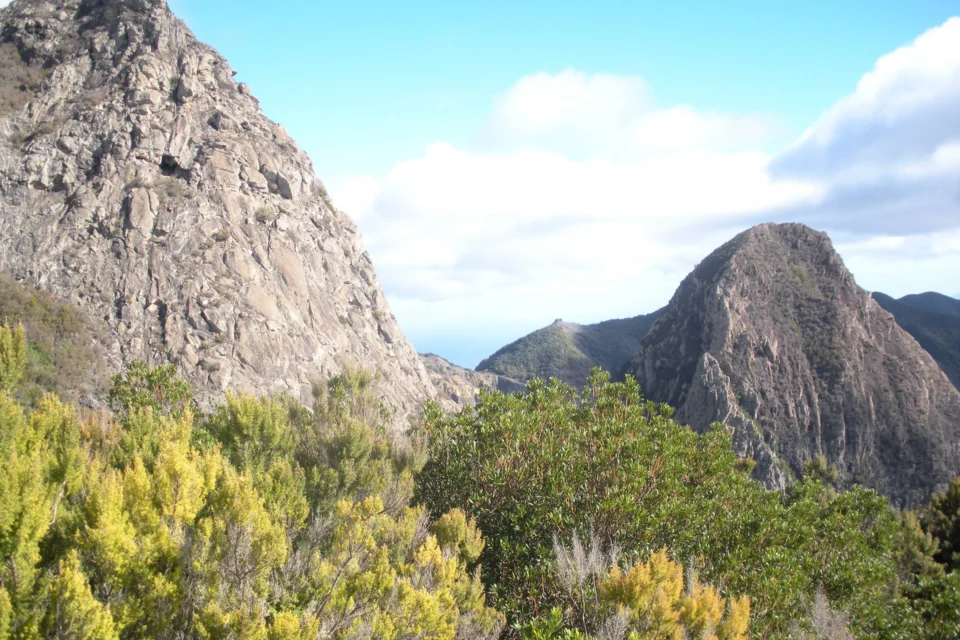
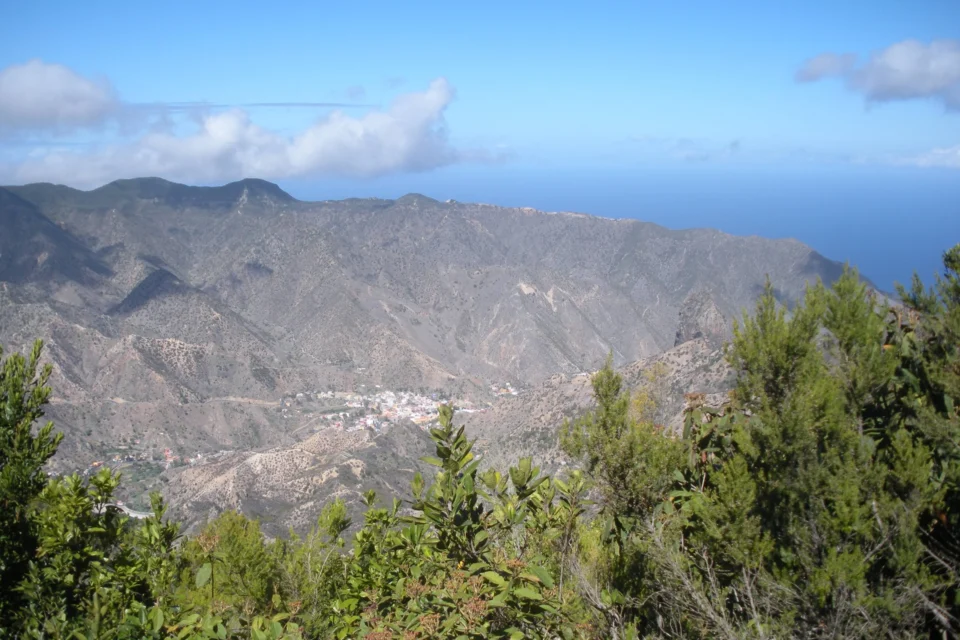
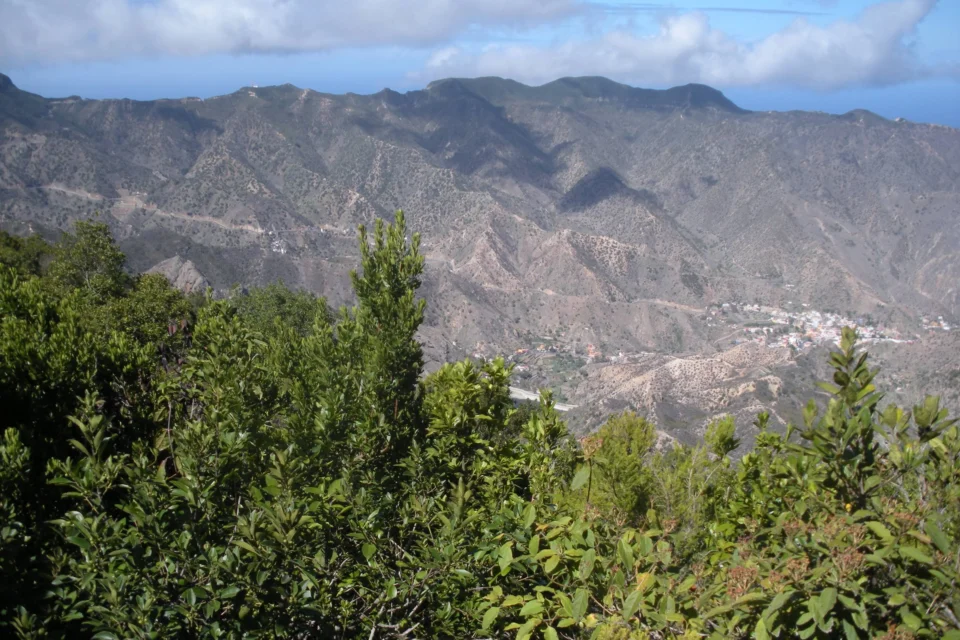
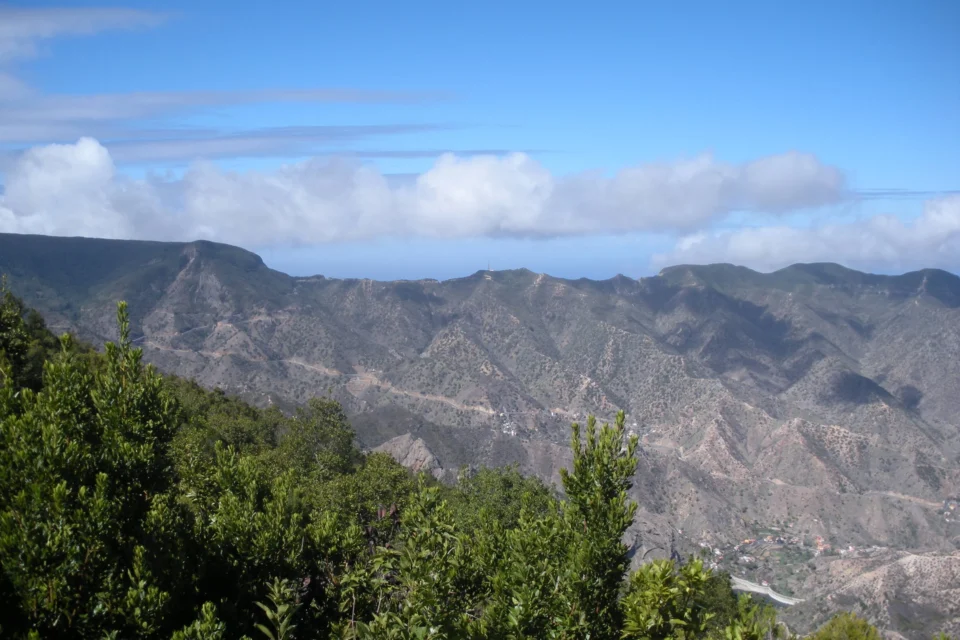
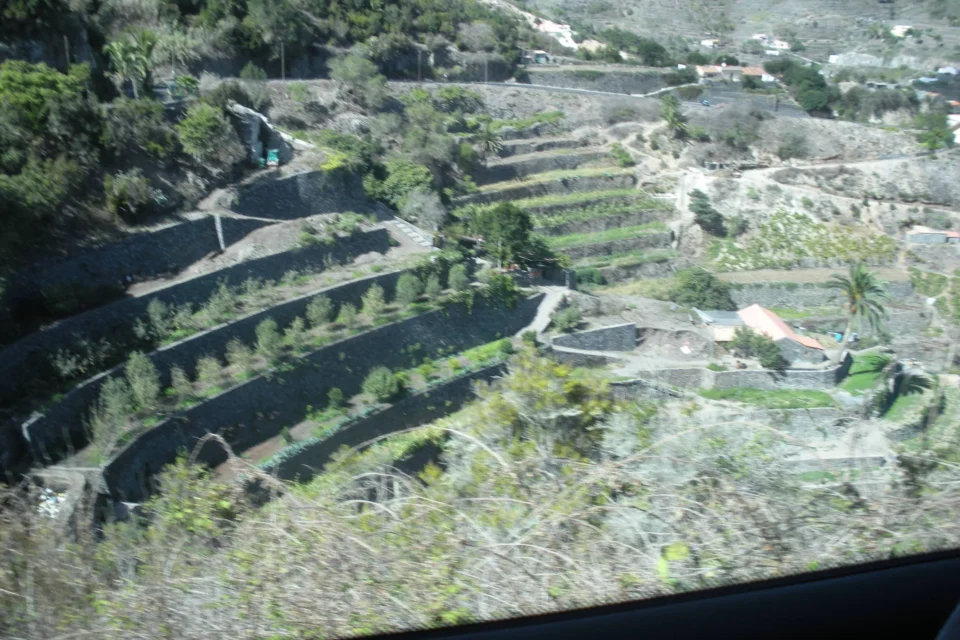
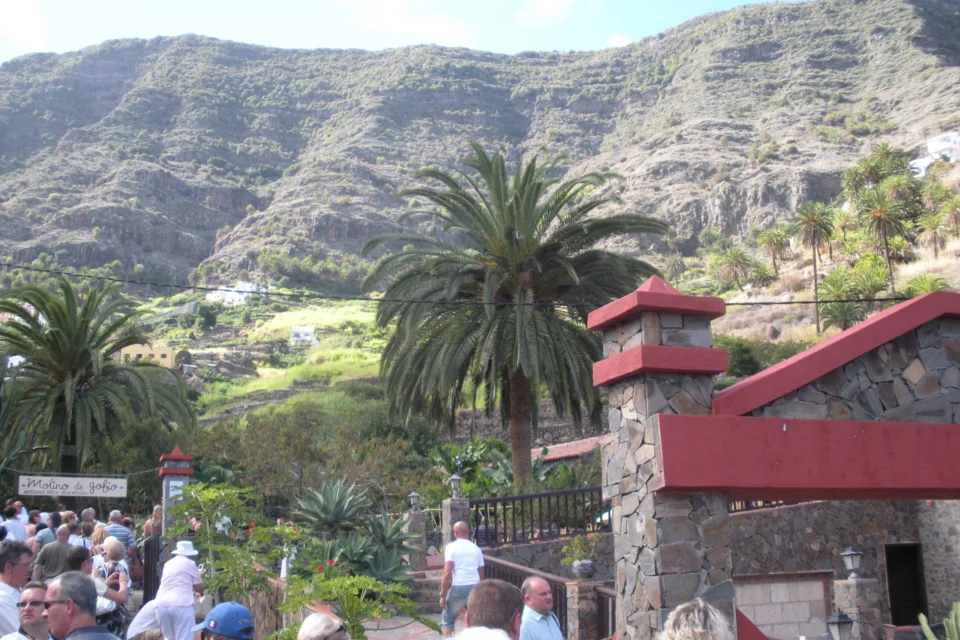
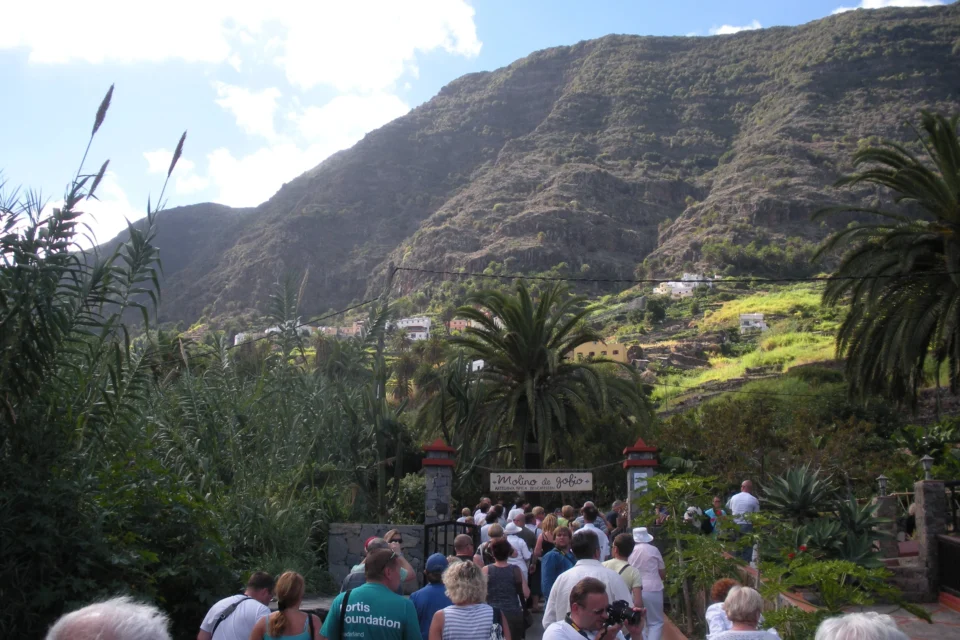
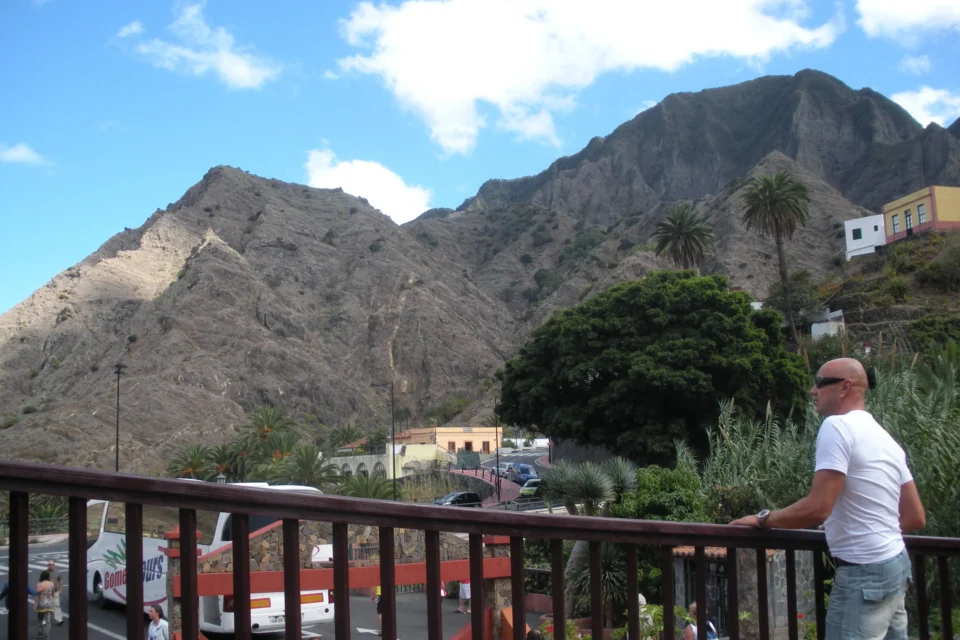
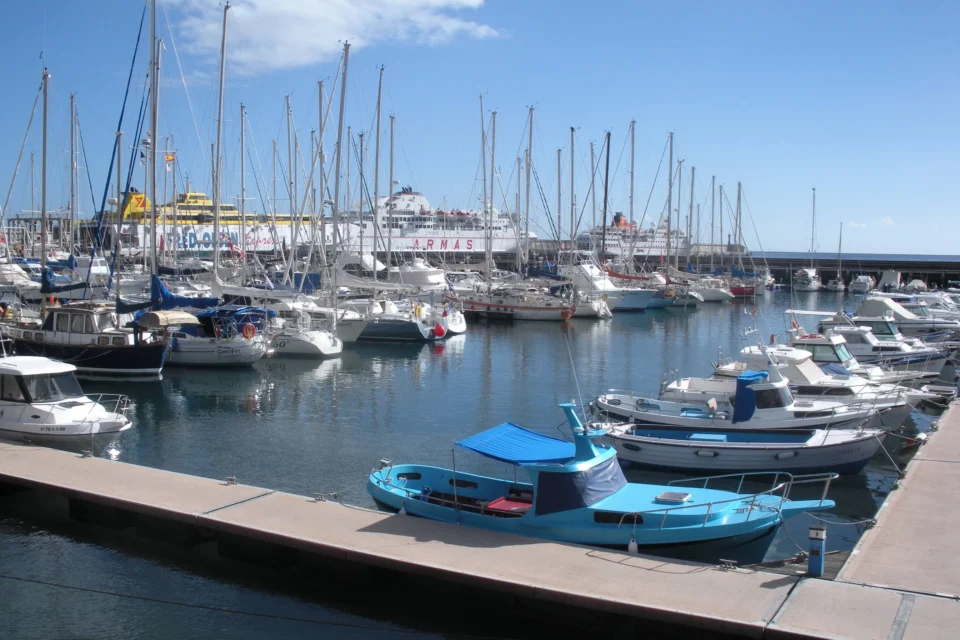
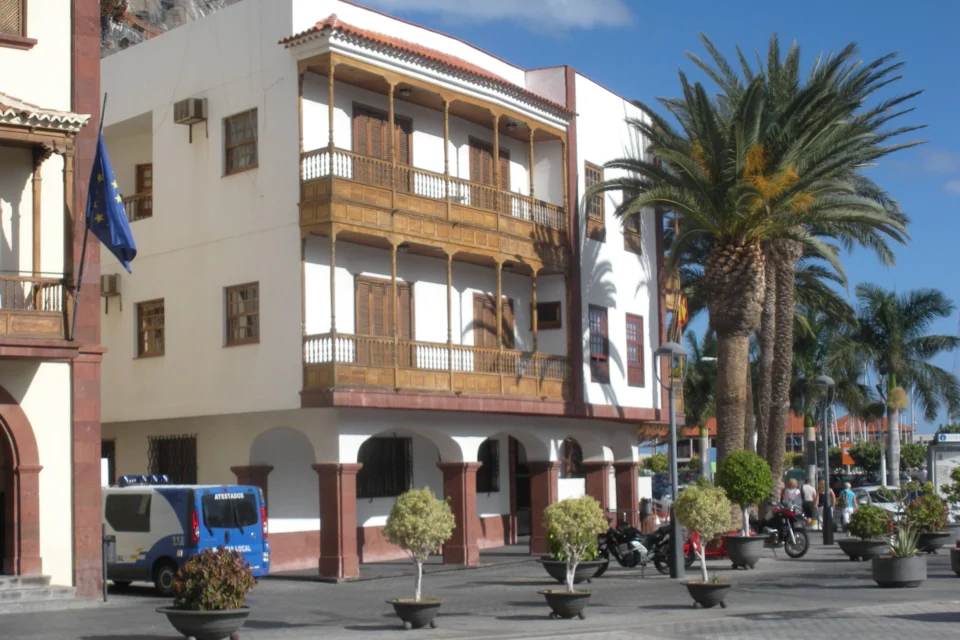
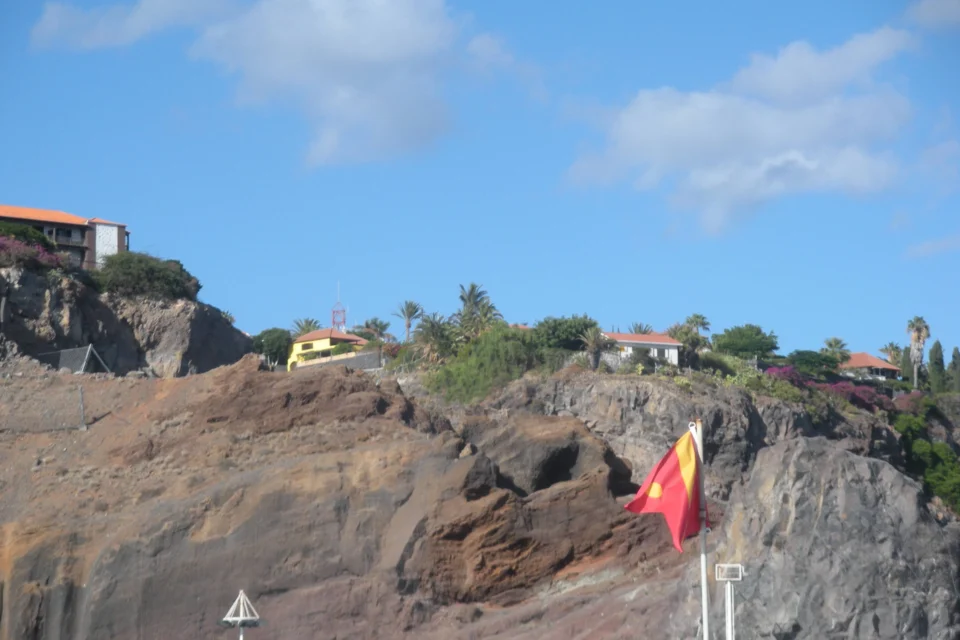
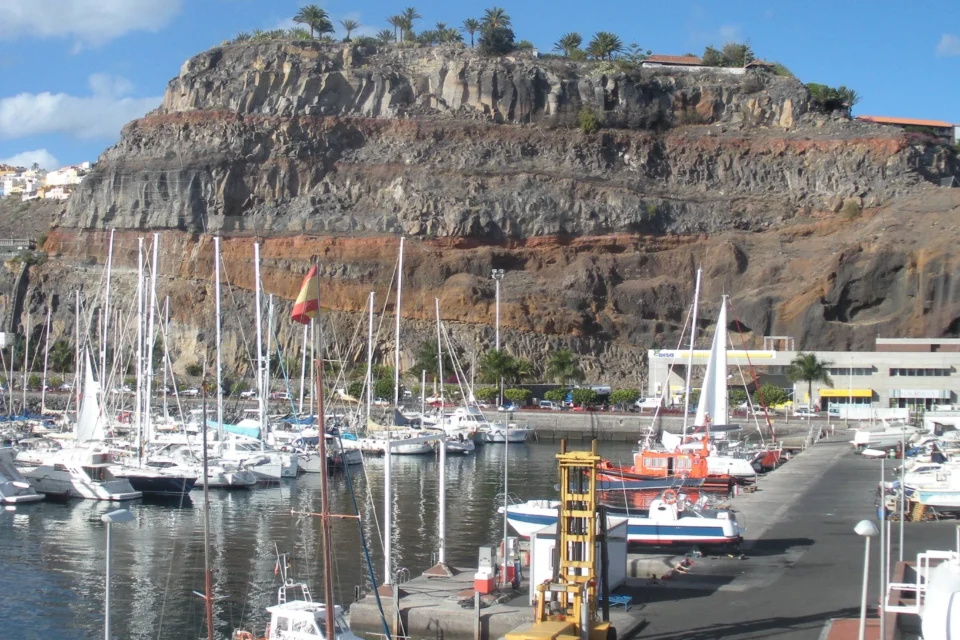
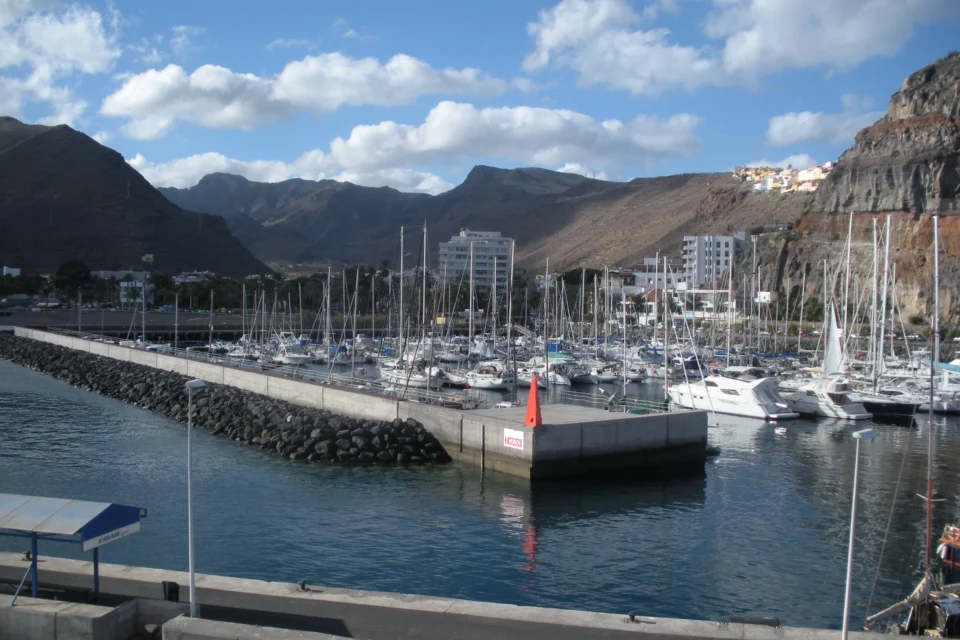
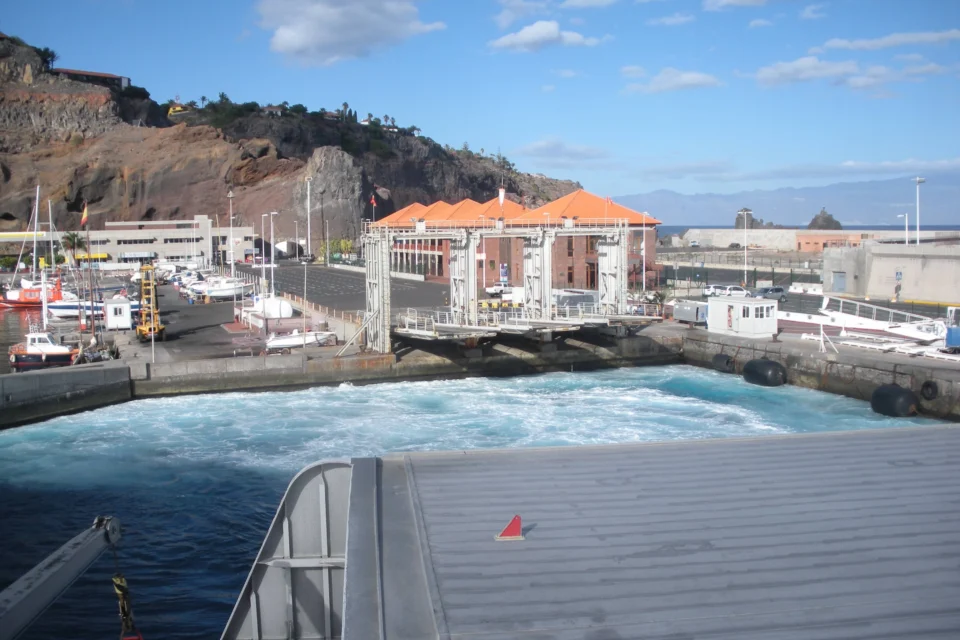
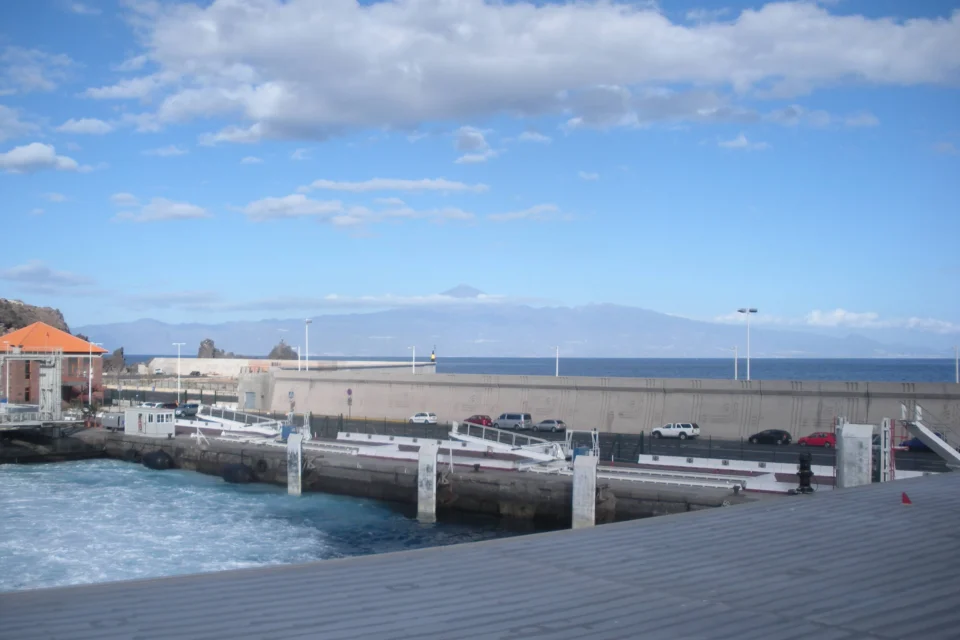
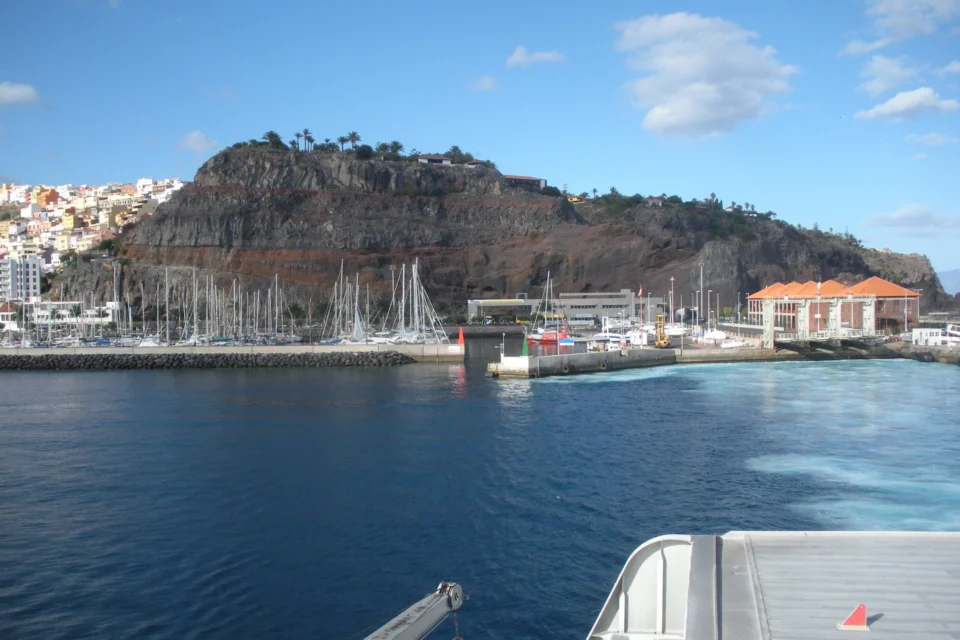
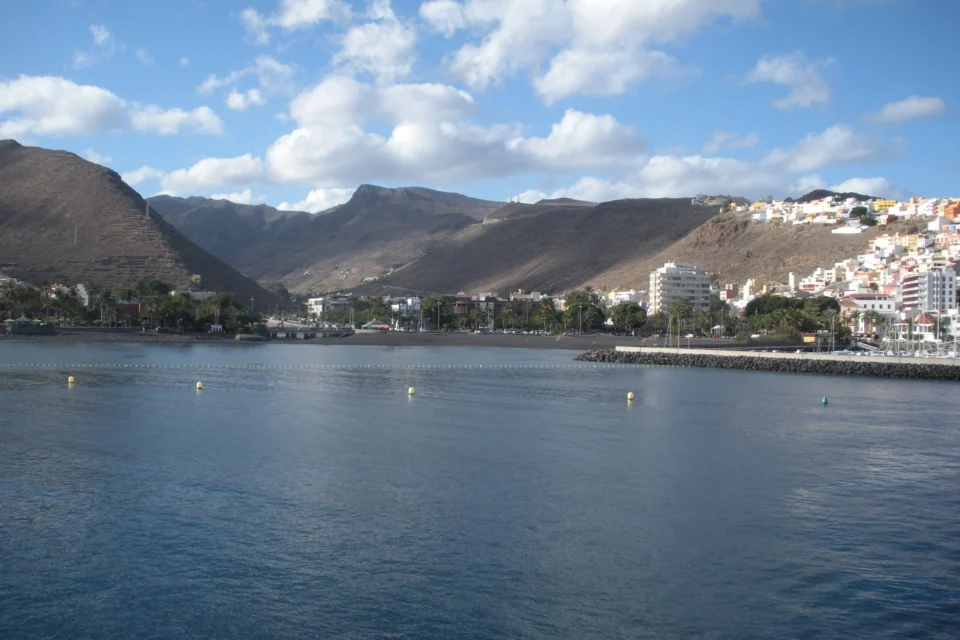
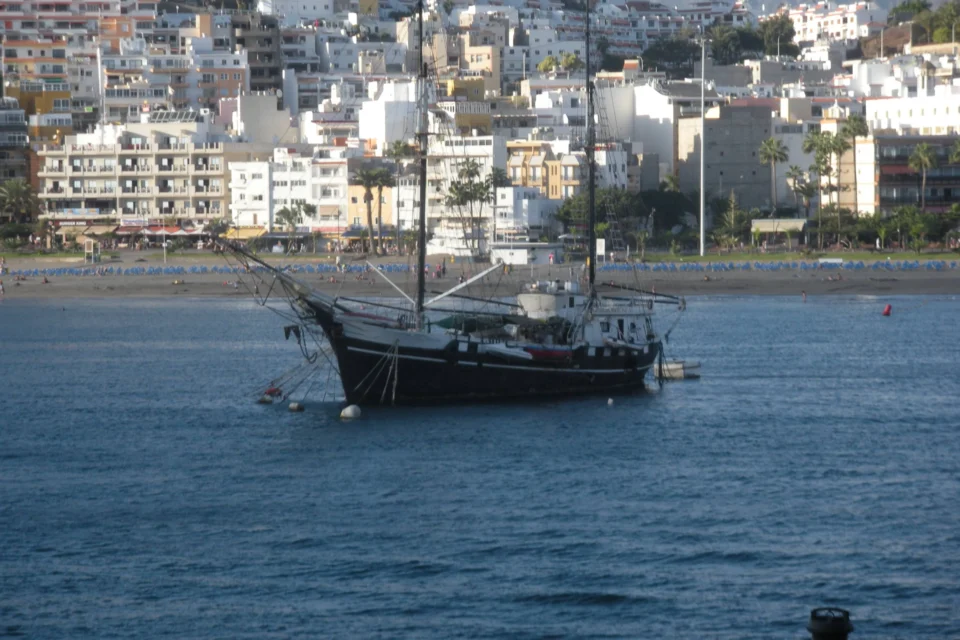
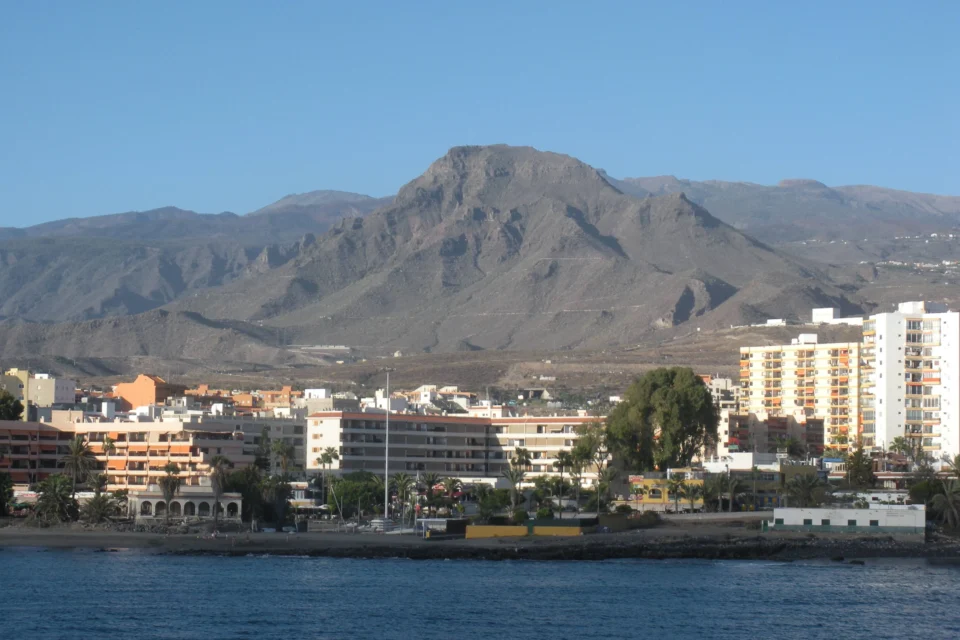
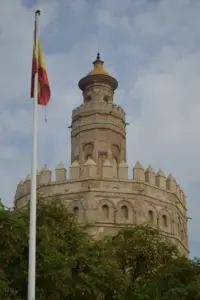
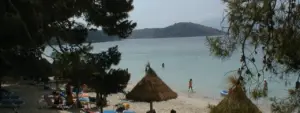
La Gomera’s rugged terrain features deep valleys, steep ravines, and spectacular cliffs that plunge into the Atlantic Ocean. The island’s coastline is dotted with charming villages, black-sand beaches, and picturesque harbors. San Sebastián de La Gomera, the island’s capital, boasts historical sites like the Torre del Conde and the Church of the Assumption.
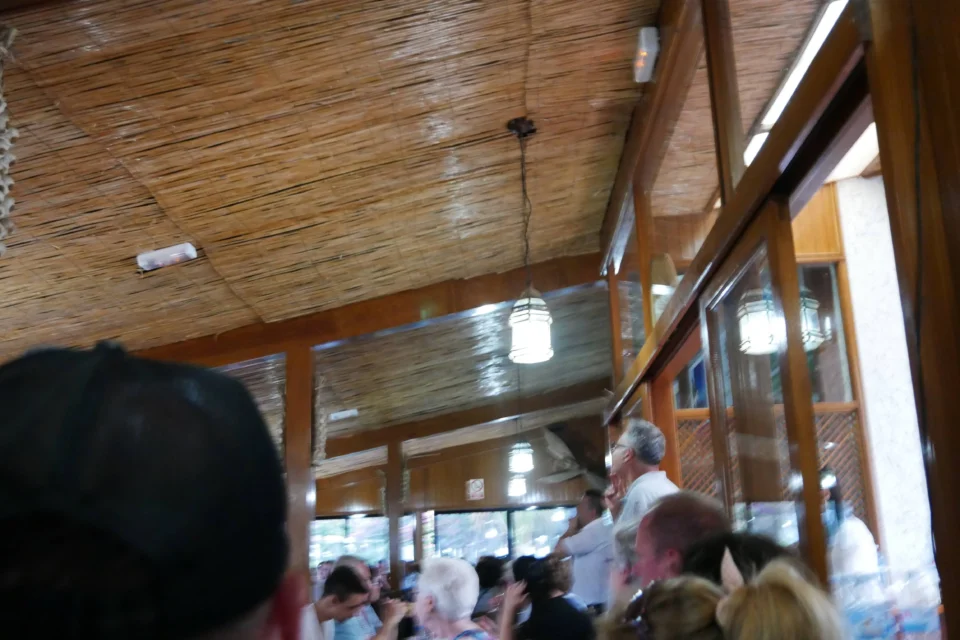
One of the most unique cultural aspects of La Gomera is the “Silbo Gomero,” a whistled language used by the island’s inhabitants to communicate across the deep ravines and valleys. This traditional practice has been recognized by UNESCO as an intangible cultural heritage.
La Gomera is a paradise for hikers and nature enthusiasts, offering a variety of trails that showcase its breathtaking scenery. It’s also a destination for those seeking tranquility and a slower pace of life, away from the more touristy areas of the Canary Islands.
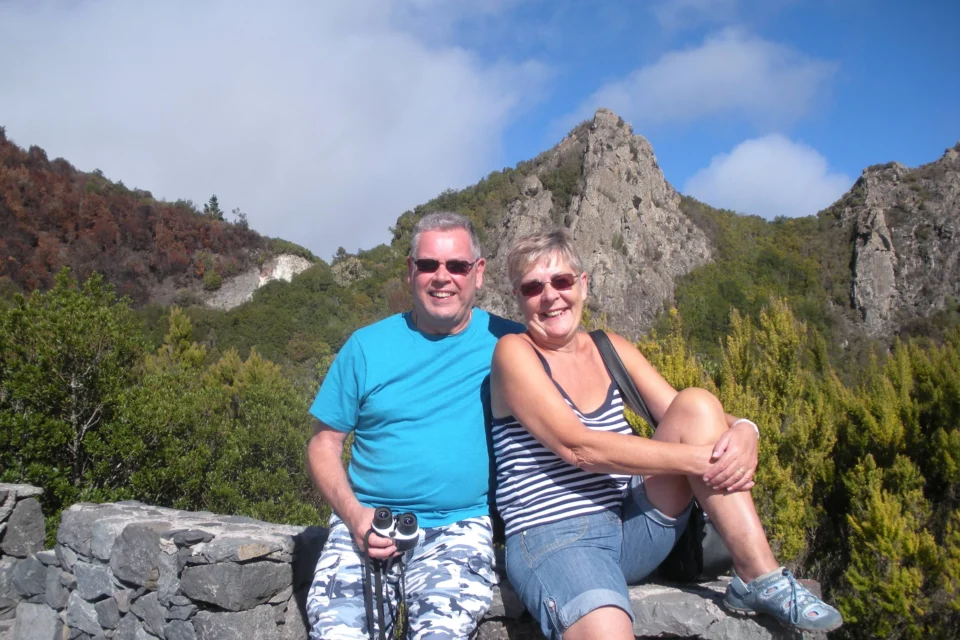
We have visited La Gomera on two occaisions, both were quite delightful. The island is exceptional in its natural beaty and is capped by part of the Primordial Forest – The Parque Nacional de Garanonay here in La Gomera and The Laura Silva in Madeira.